
 Login
Login

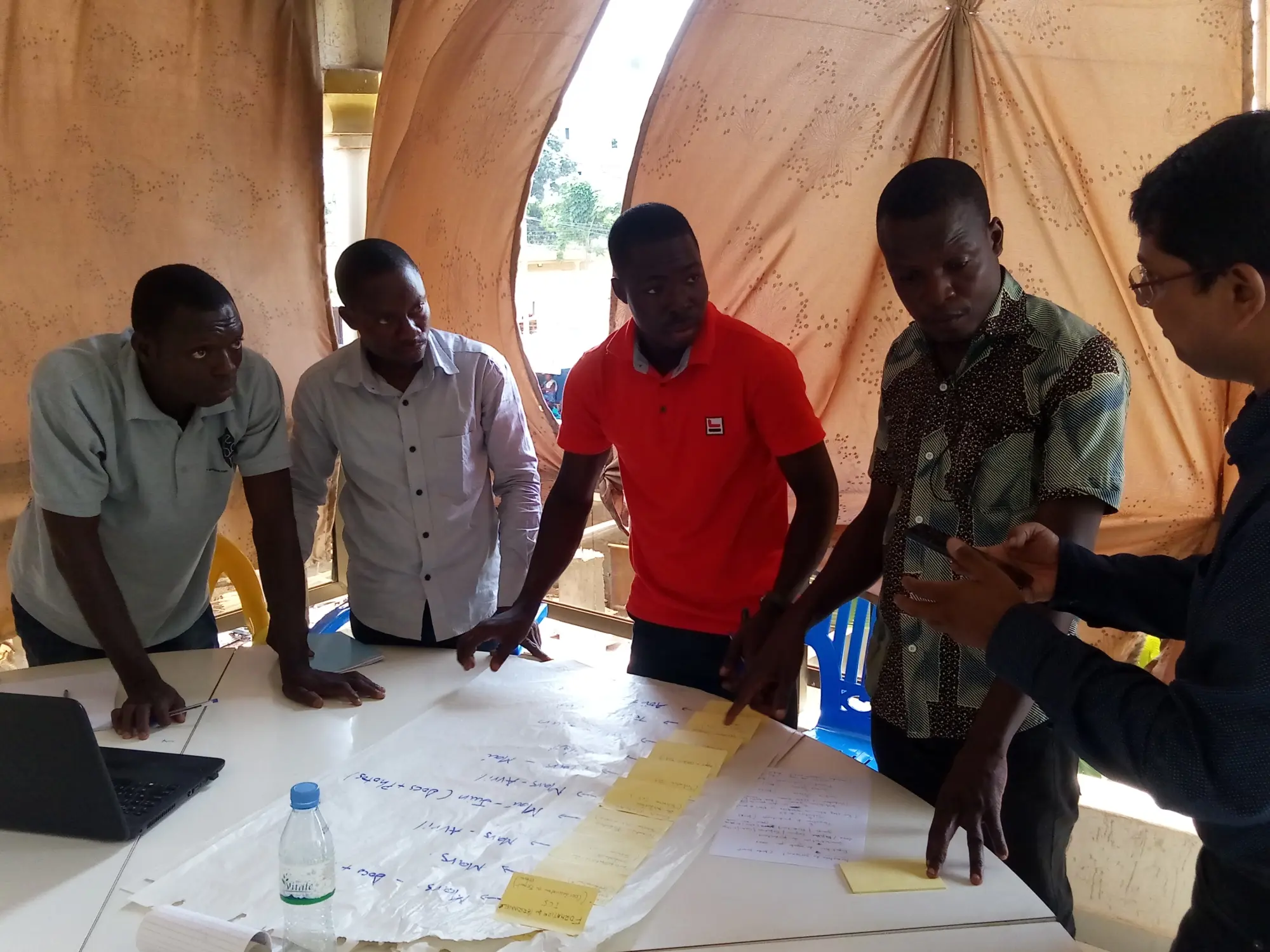
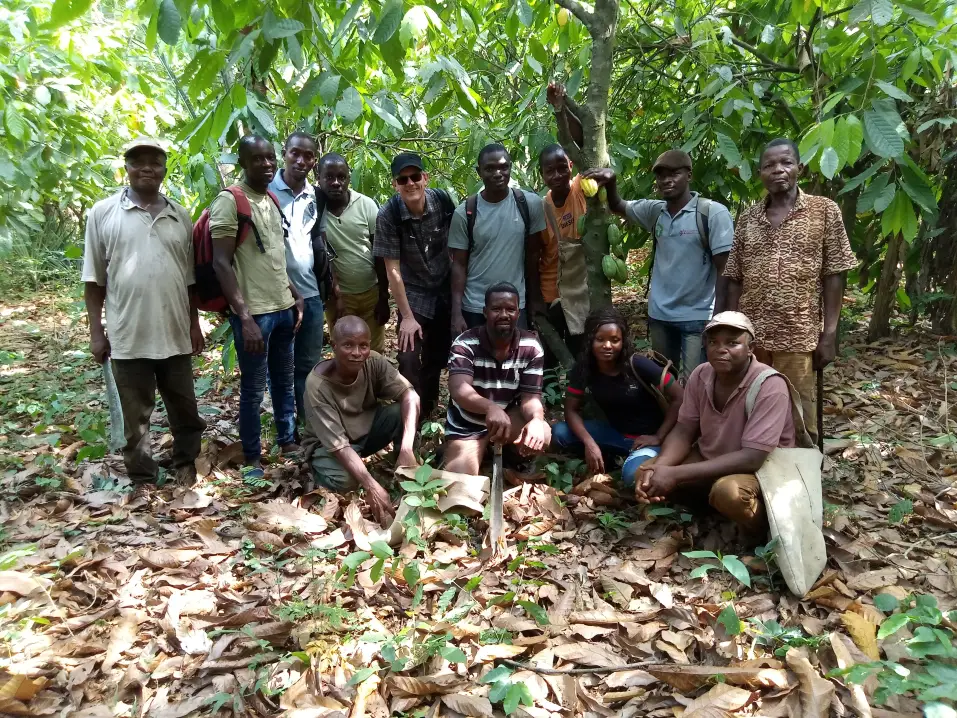
Software for Africa? Why, and what does gebana want to do with it? Aren't there more urgent needs? No. gebana Togo, our subsidiary in Togo, is growing. We buy cocoa and soy from over 4,500 smallholder farmers. 25 gebana employees, mostly young agronomists, advise these farmers, plan the harvest and help carry out organic certification. Not an easy task. The distances are long and the paperwork becomes unmanageable. gebana wants to work more closely with "our" farming families, gain a better overview, understand more. Do the premiums arrive? How are the harvest yields developing? Whom did we support and how? Who was visited when and where?
We collect these and other data with "Cropin." Cropin is a software product of an Indian startup which, after my evaluation, proved to be the best choice. It is used directly in the field via mobile phones, including photos and GPS mapping. In the nearest small town the data can then be transmitted to the office; mobile networks are developing rapidly, which now makes this possible.
It is not only about replacing paper with digital data. It is essentially about more control and fewer opportunities for abuse. This can have far-reaching consequences. Accountability within the chain grows, especially toward the weakest links, the smallholder farming families.
East Africa has shown over the past 10 years how digitalization can increase the self-determination of ordinary people. Whether through greater control over money flows thanks to "mobile payment", or through transparent (and thereby corruption-free) e-government services such as renewing a driver's license via the Internet.
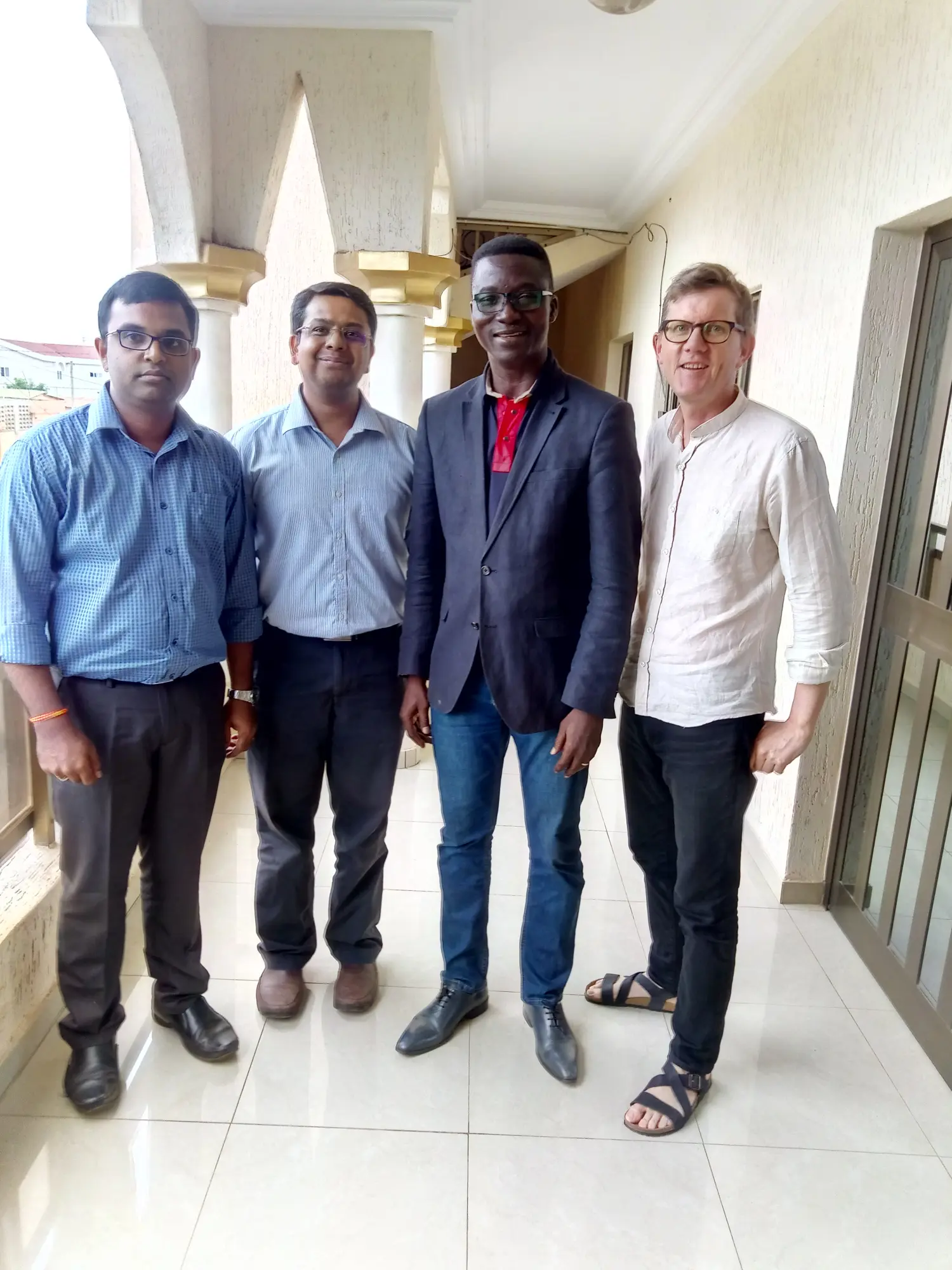
But we are still at the very beginning in Togo. First, our team and visitors from India discuss the procedures and the information needed for organic certification and purchasing. After two days of demonstrations and field tests our agricultural advisors warm up. The discussion becomes more in-depth. It is wonderful what knowledge and commitment Rajeev and Abishek, the colleagues from India, bring. Cropin is convincing and I am happy to be part of this intercultural team.
Then the discussions deepen even further and we begin to get bogged down in details. The consultants try to take responsibility to do the organic certification correctly, but in doing so they lose all sense of proportion. There is a risk that we will create a data monster that does not simplify the consultants' work but makes it more complicated. Our consultants now say that it is not even possible to collect all this data directly in the field; they would have to do it at home in the evening, during the day they prefer to work with paper. It becomes emotional: "On ne peut pas travailler avec ça".
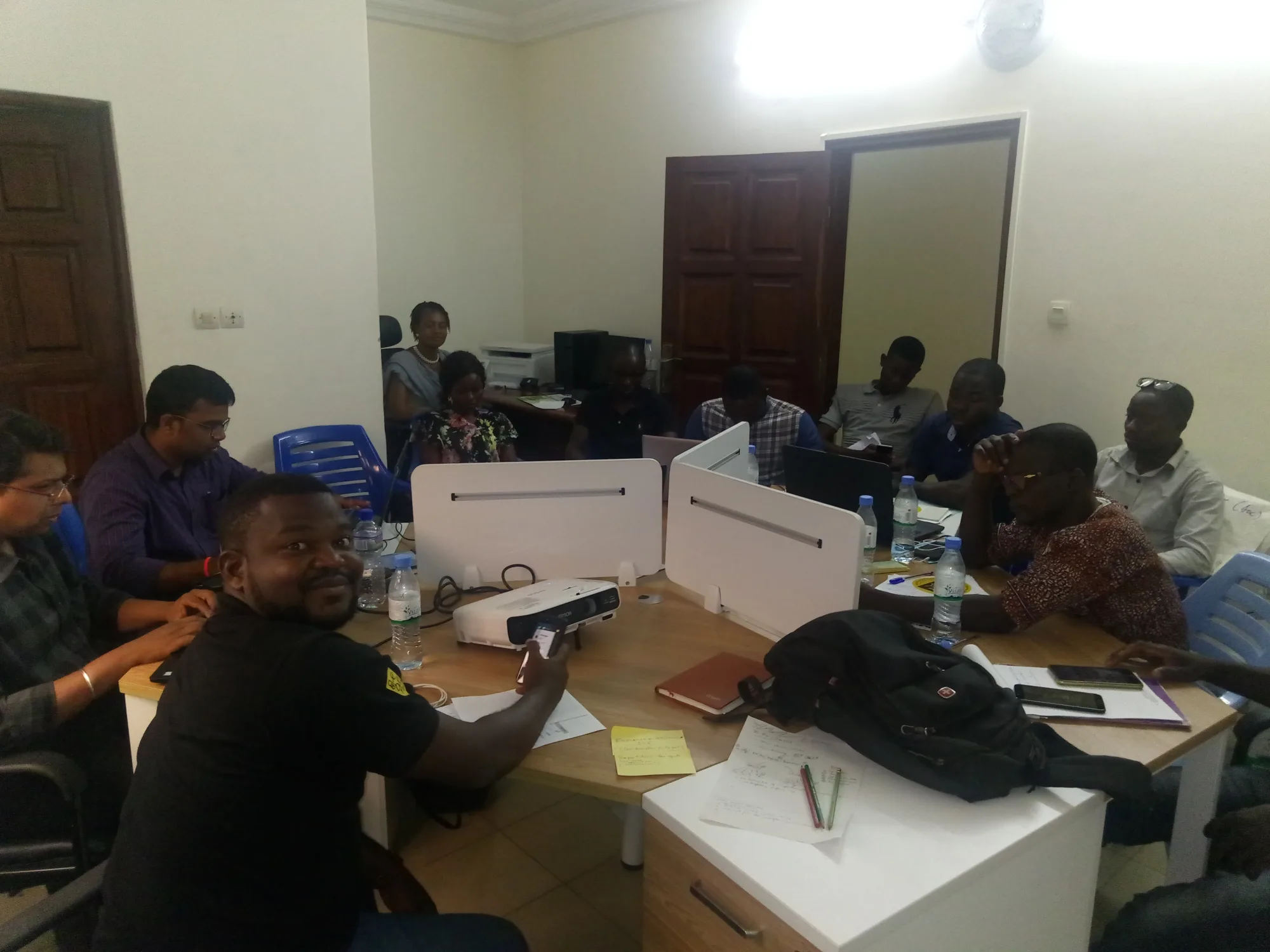
Resistance then. Difficult, but not surprising. Such a major change from the familiar, which from the agronomists' point of view does work, causes fear and needs time. With the local management we decide to push the matter further. The technology is good, we believe in the project. In the coming months we will commission the system, gather more experience and hope that this will bring the benefit, not fears, to the fore for the advisers. There is much to be done. Or as Ursula said: Fair trade is not a state, but a process.
Somewhat exhausted, I now sit on the plane back to Europe. An exciting week, one that very clearly showed where the challenges lie, but also the potential for whole leaps forward. Work that gives me the feeling of being in the right place, where I can apply my energy to really open new doors. That was another beginning!