
 Login
Login

That is why the herbicide glyphosate quickly established itself on the market, because it makes direct sowing possible: the herbicide is sprayed extensively over the fields and thus weeds are quickly destroyed. Afterwards sowing is done directly without ploughing. The pesticide experienced another upswing with the development of genetically modified soybean plants that are resistant to glyphosate. This means the herbicide can still be sprayed even when the soybean plants are already growing. But negative reports about the consequences of the massive use of this pesticide are increasing.
Organic soybean farmers around the world are therefore feverishly devising solutions for soybean cultivation without pesticides and genetic engineering. The approaches are very different and creative. Many attempts in this regard were made earlier, but they were often not pursued further with the advent of the herbicide. gebana has been supporting the further development of organic soybean cultivation for years and strengthens the resistance against the widespread use of genetic engineering and the use of glyphosate. Last year we already organized a meeting of farmers from Europe and South America and thus offered them the opportunity to dialogue with their fellow campaigners.
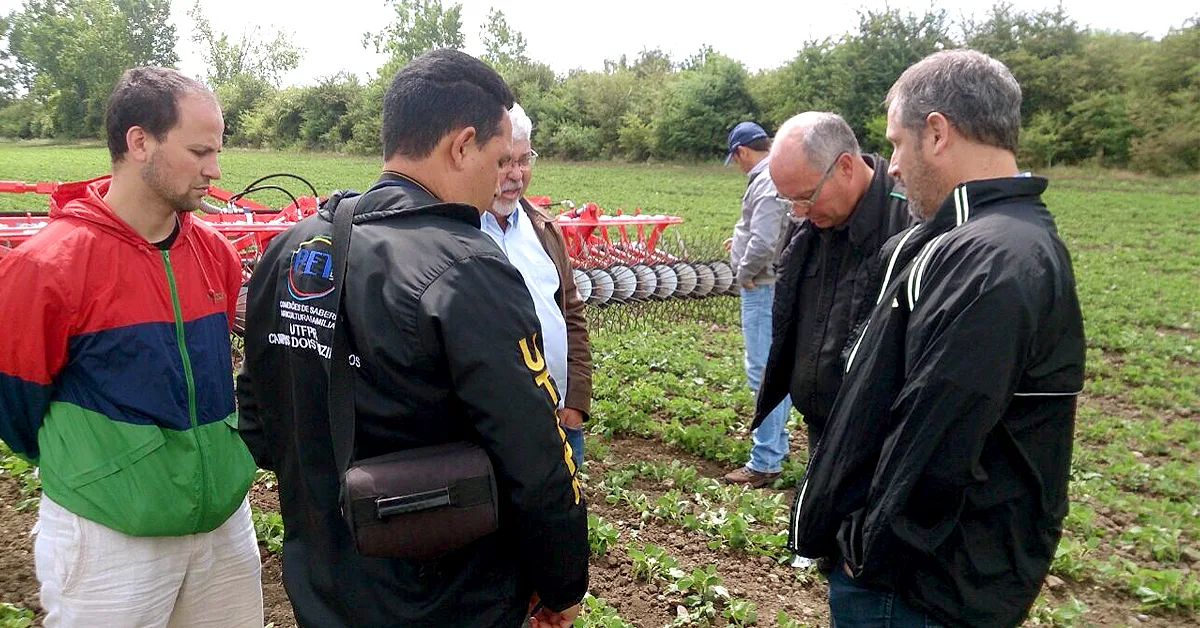
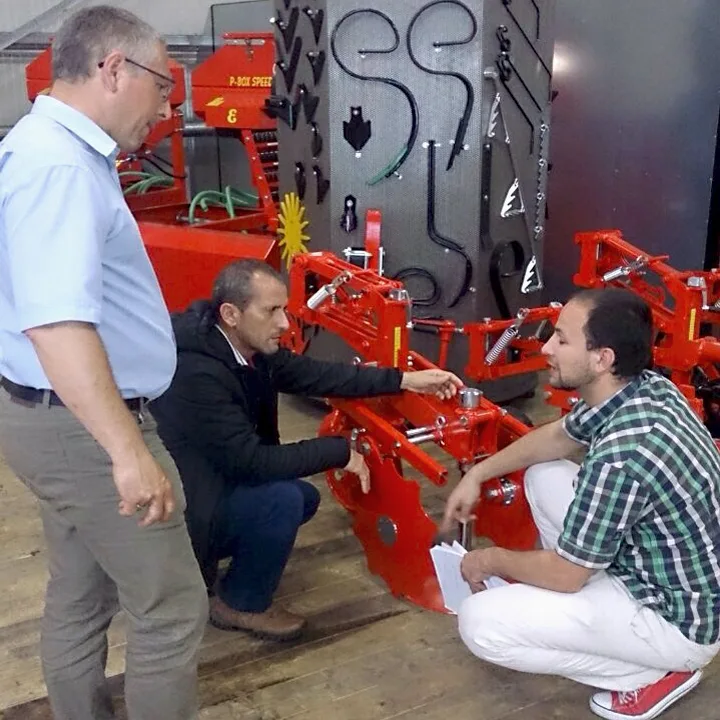
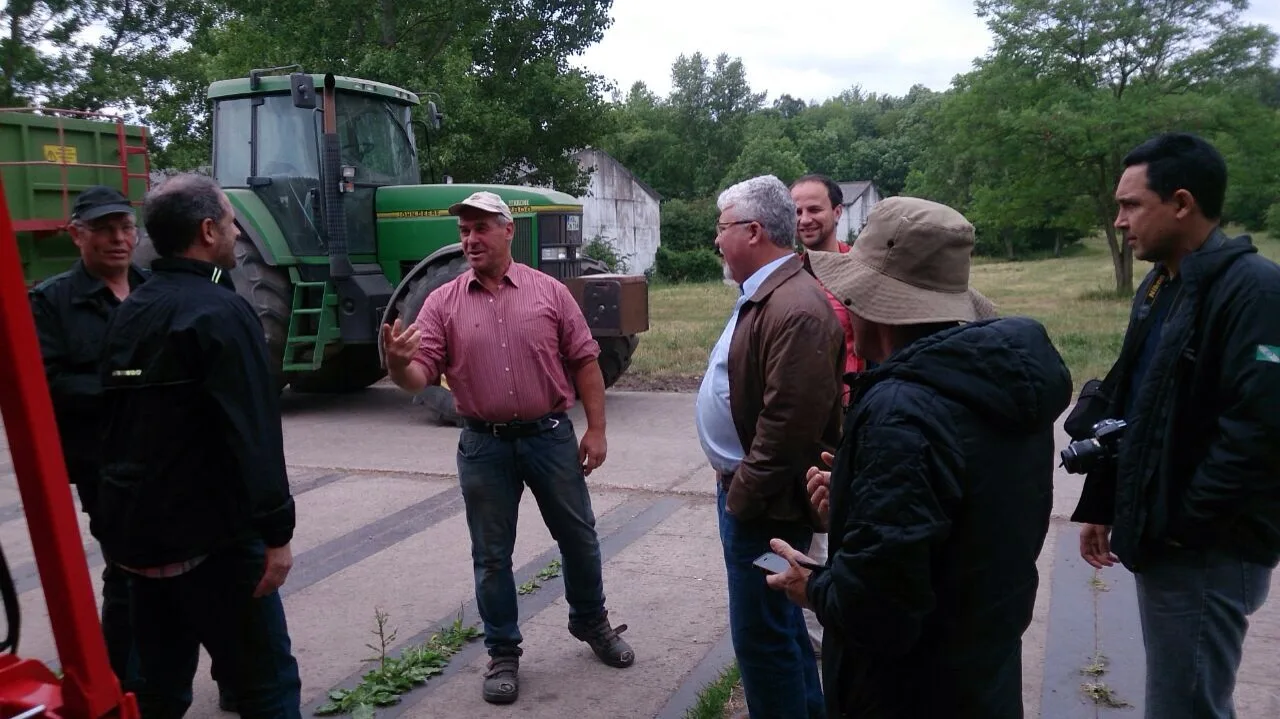
Due to the great success, another exchange was carried out in May. Three organic farmers and a professor from Brazil as well as an employee of gebana Brasil visited Switzerland, Germany and Austria to talk with their European colleagues about new cultivation methods and procedures. The participants had a packed week-long program: this included not only visits to local organic soybean pioneers and the EU project 'Danube Soy', but also tours of agricultural machinery manufacturers. The guests were able to learn about the latest developments and see how the inputs that the manufacturers had gathered during their visit to Brazil last year had in part already flowed into new developments. Some machines could be tested directly in the field and people exchanged expert opinions about the differences and similarities of the respective cultivation regions.
We have come one step closer to our shared goal of being able to compete with conventional soy using organic soy. Because what many do not know: organic soy cultivation is not only better for the environment, since special genetically modified plants and herbicides are avoided - if we manage to reduce the effort required for weed control, organic soy cultivation also becomes more profitable for farmers than conventional. We remain committed!