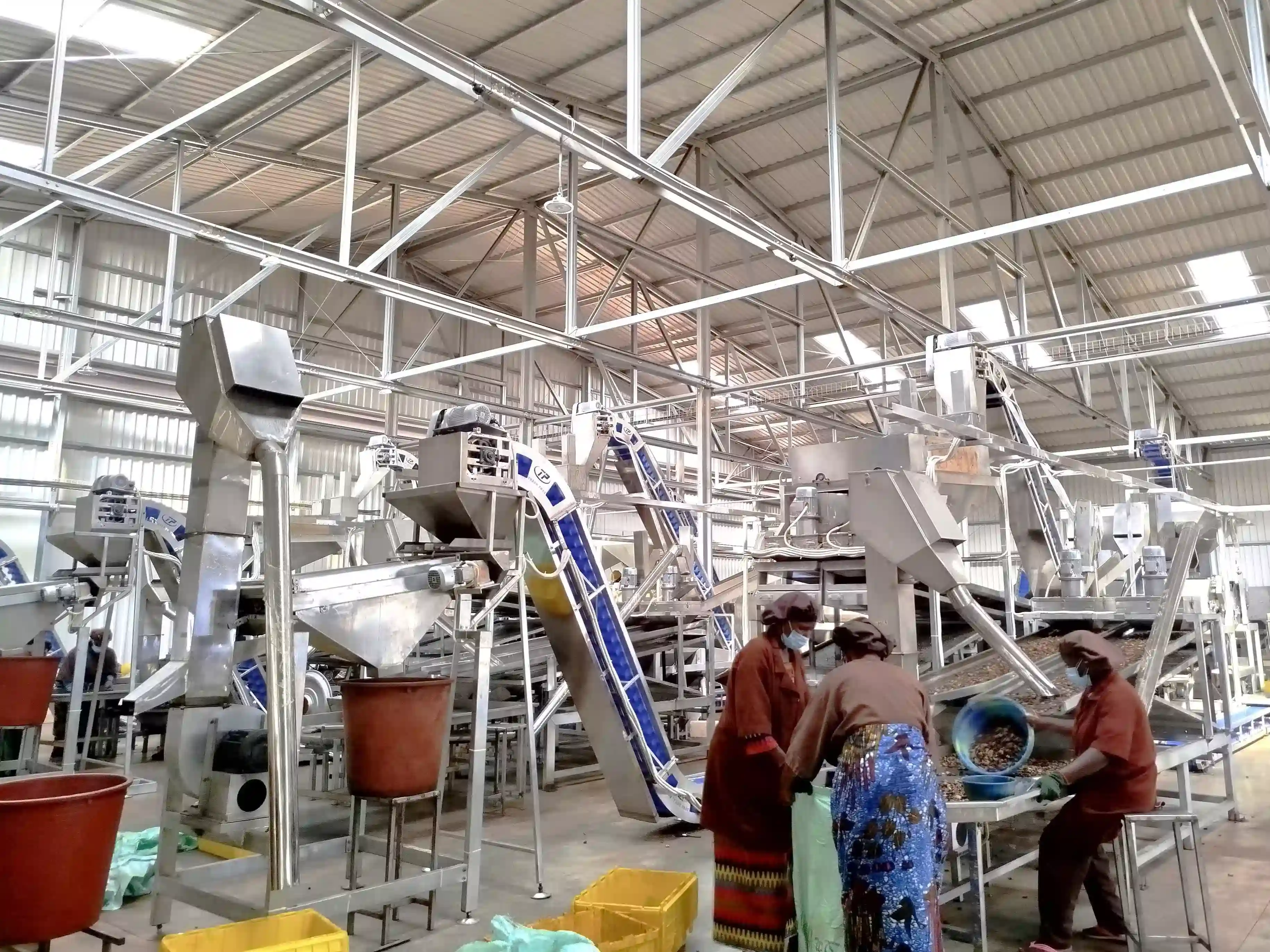
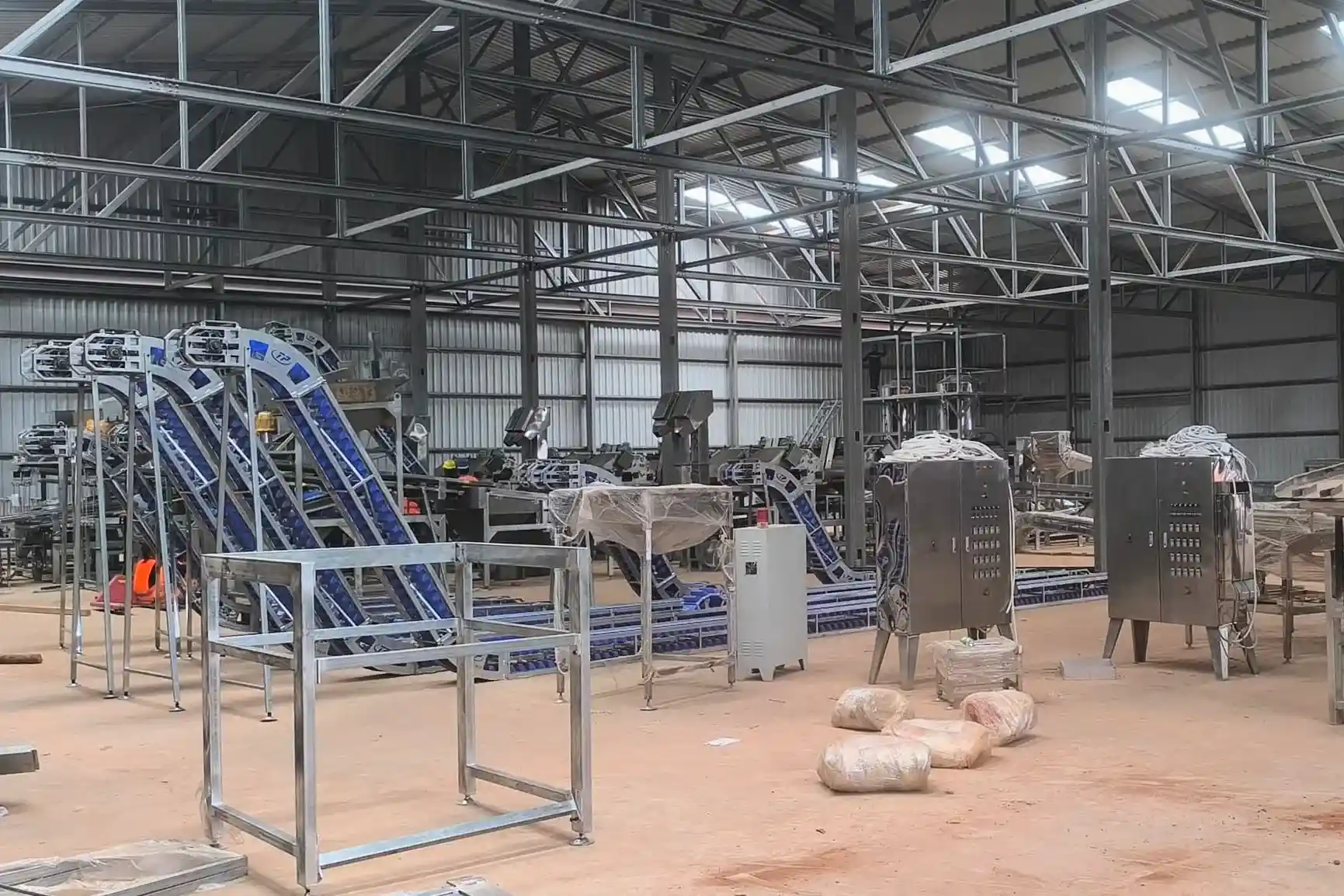
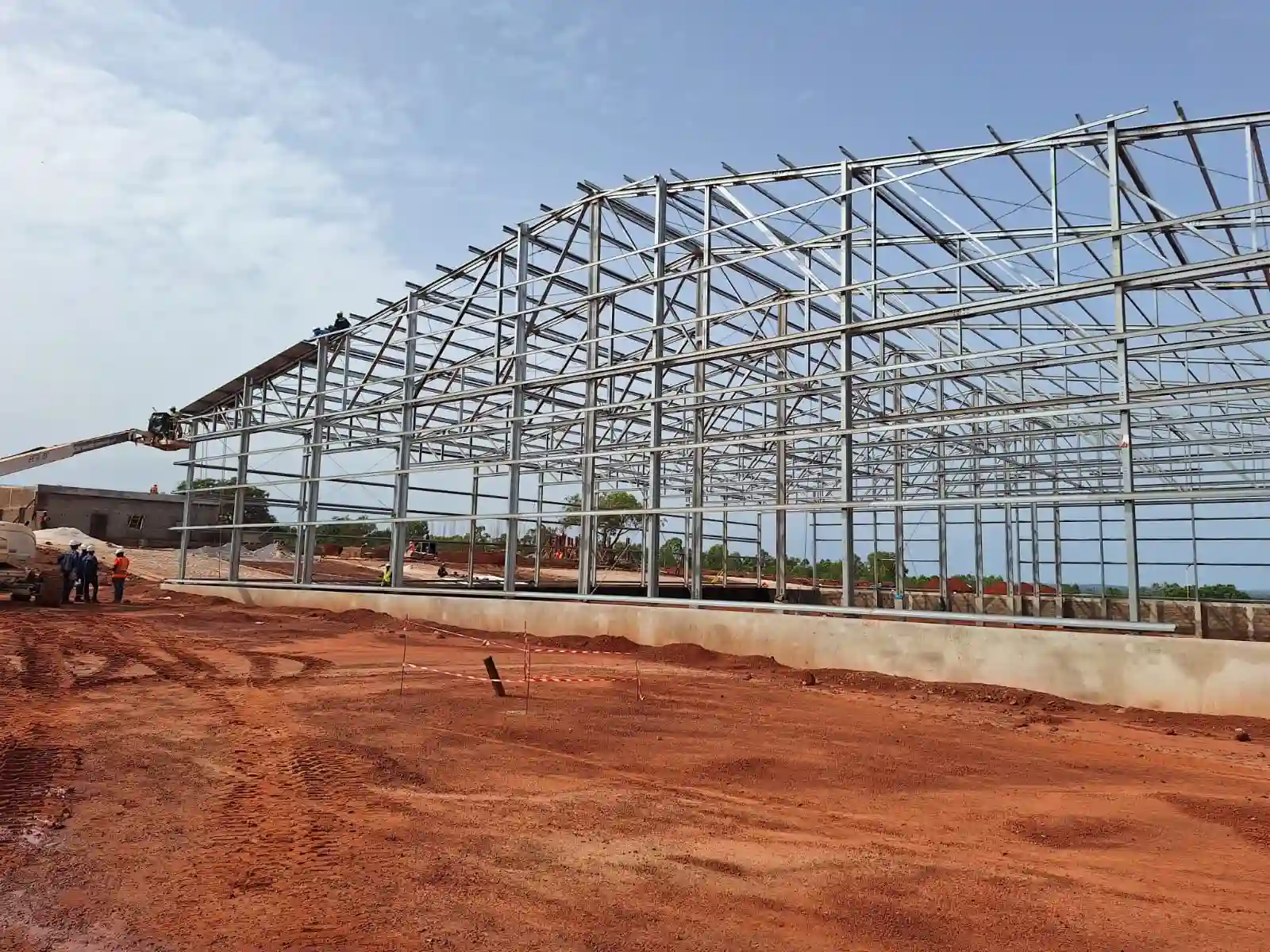
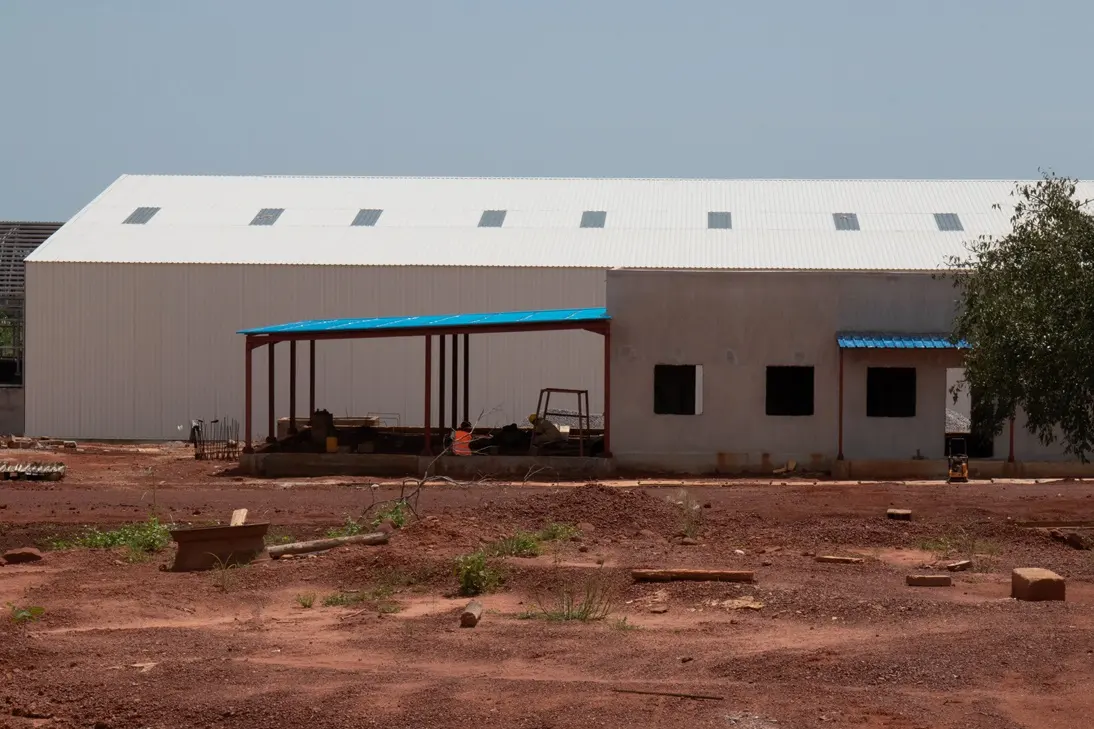
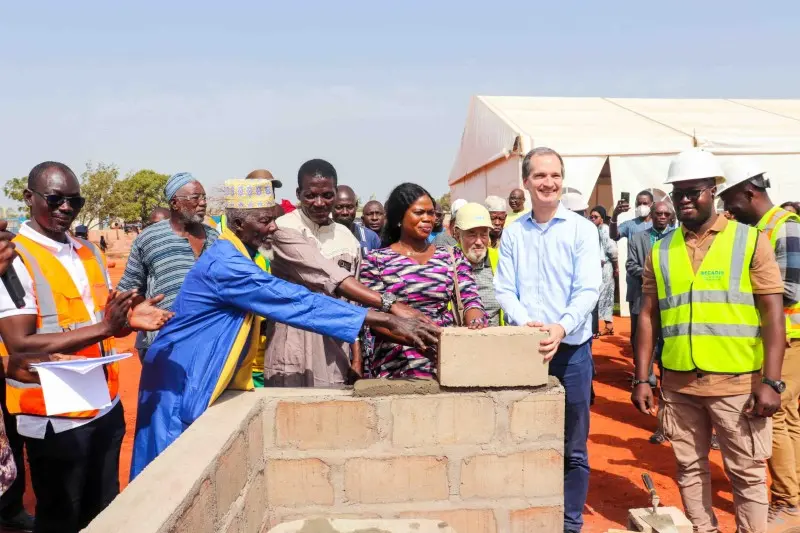
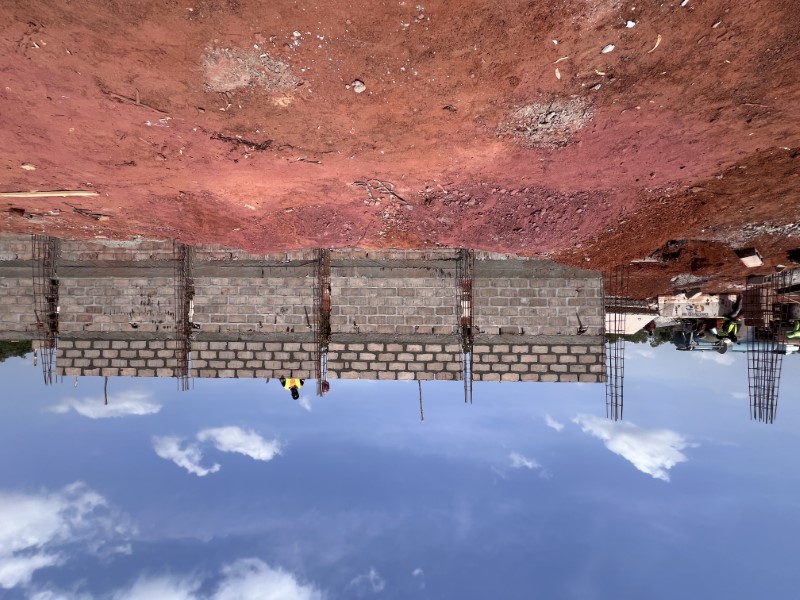
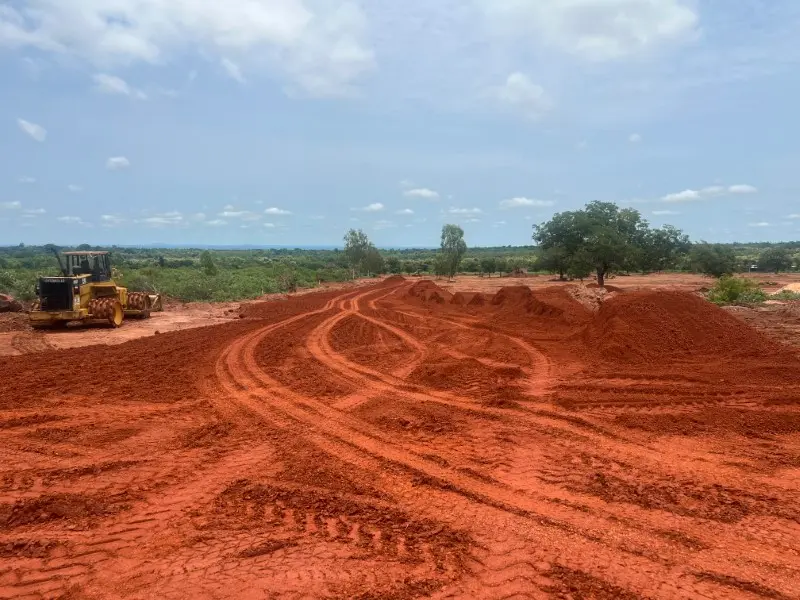
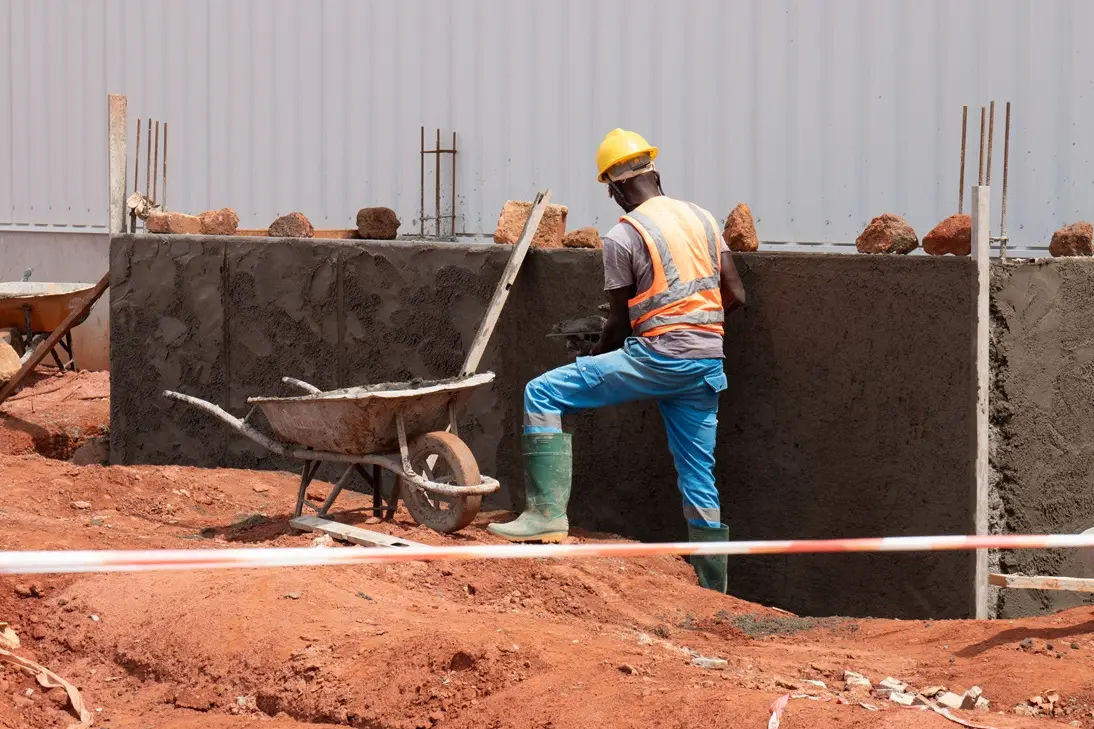
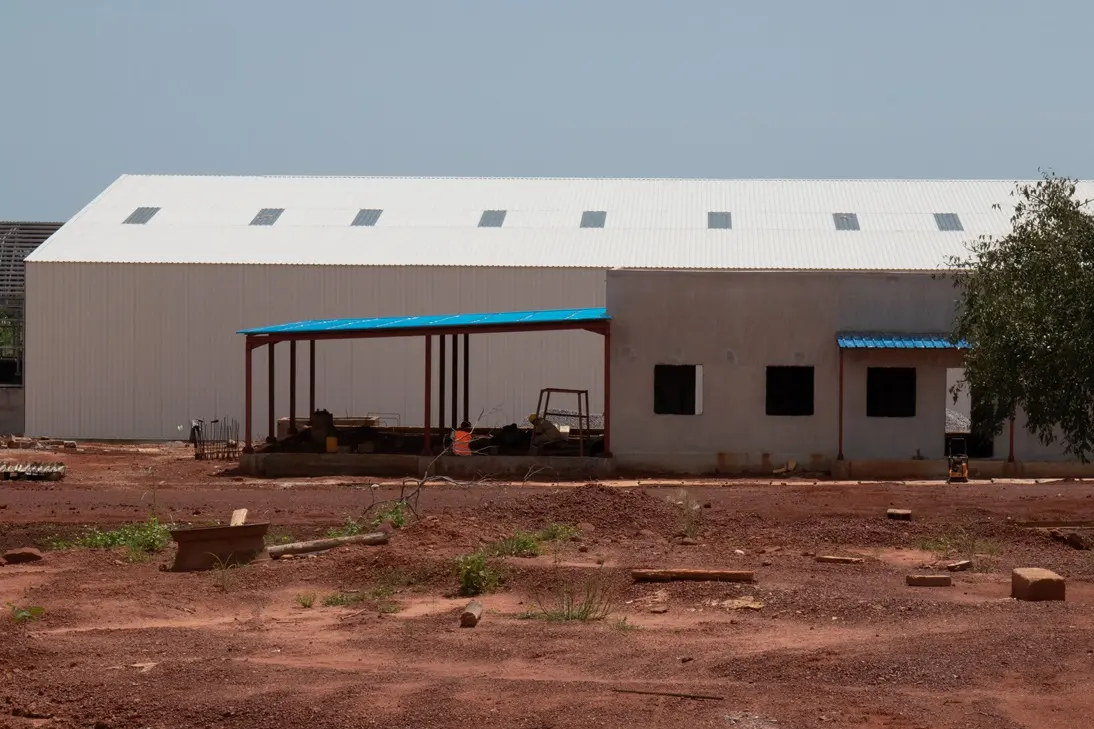
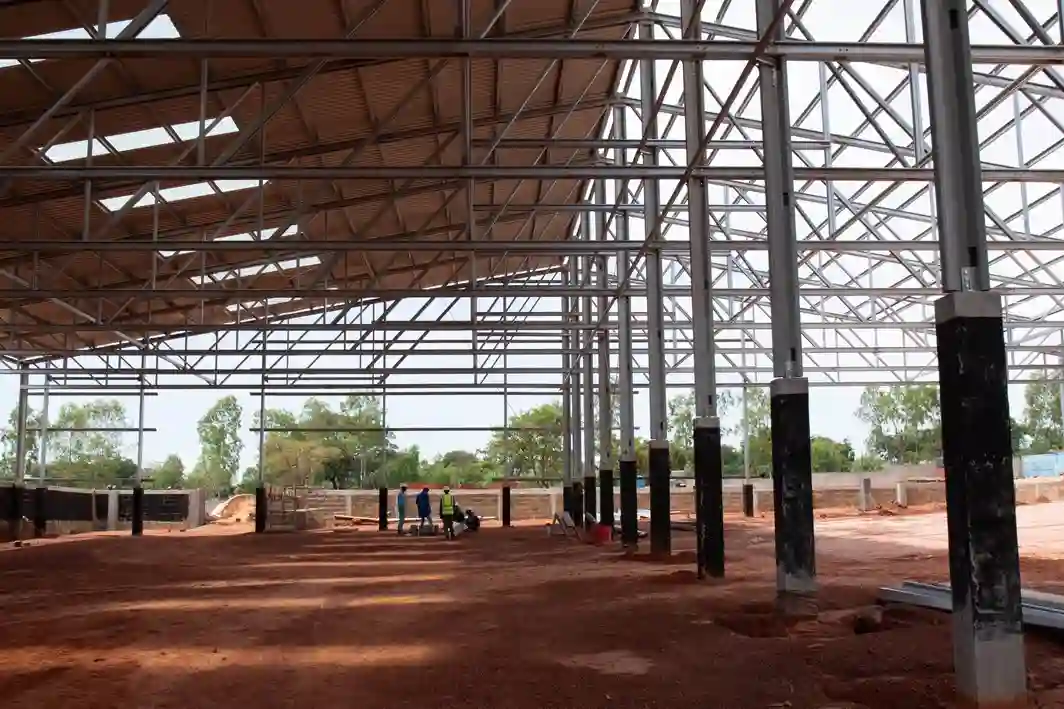
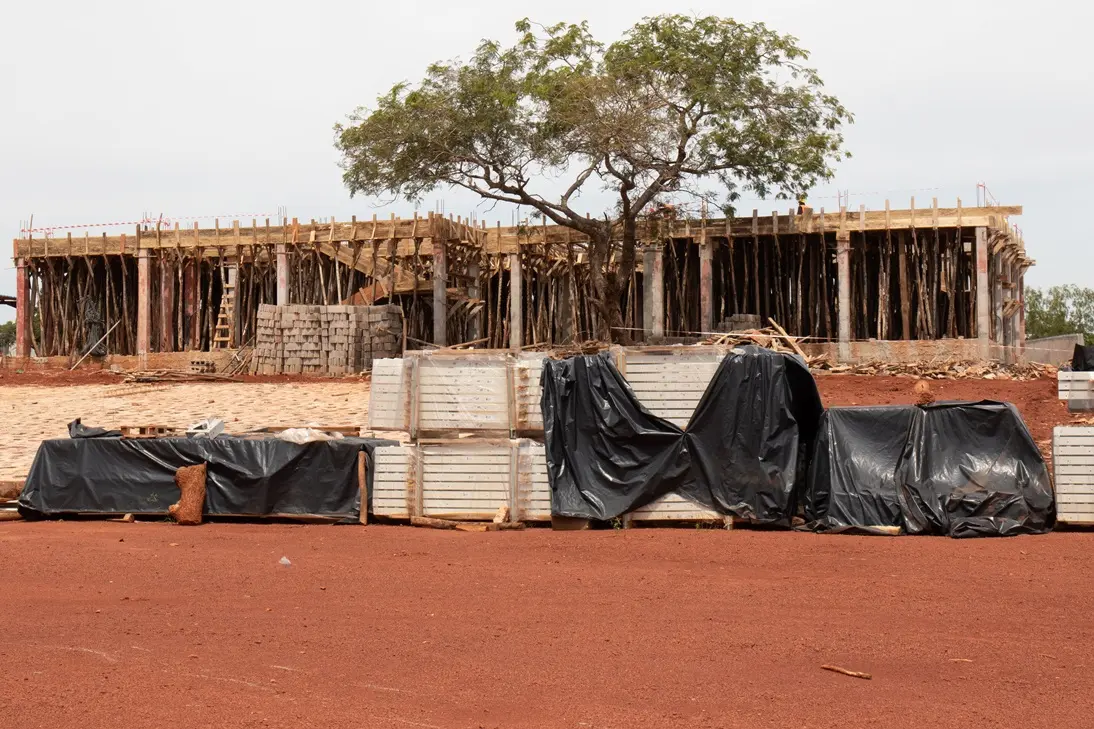
You have previously worked on a number of construction sites. How does a construction site in Burkina Faso differ from one in Canada?
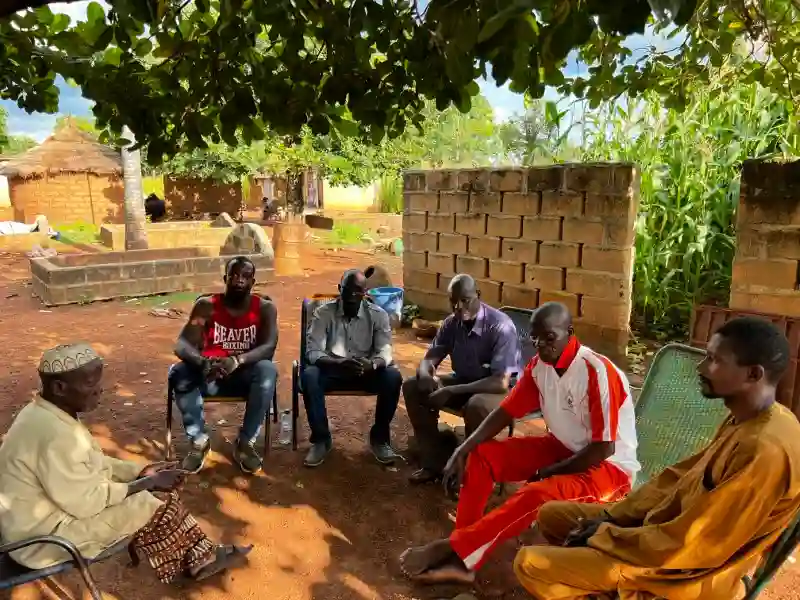
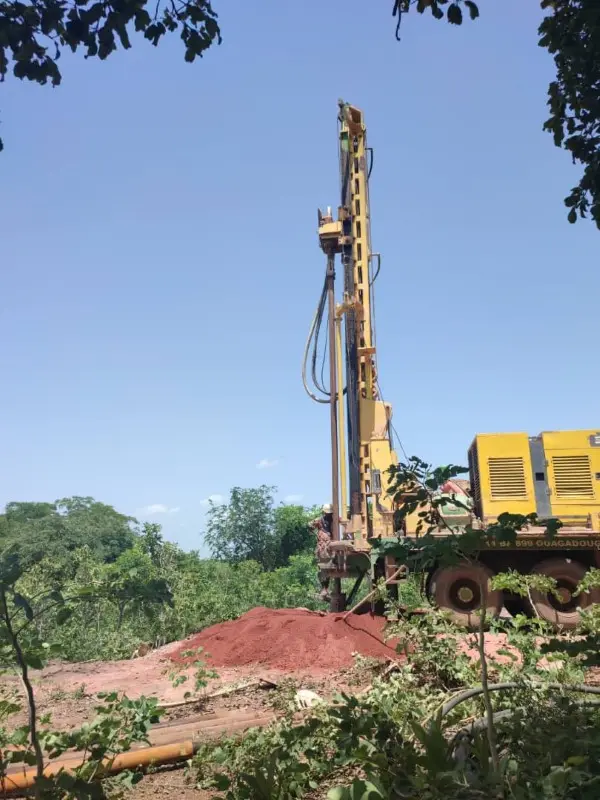
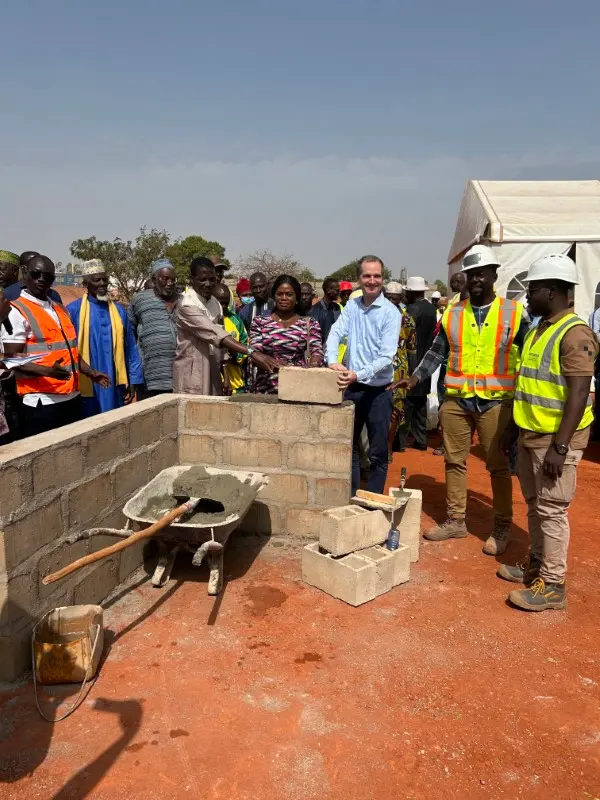
Thierry Compaore: In Canada and Europe, every type of machine imaginable is available for construction projects. Lorries, excavators, bulldozers. When it comes to groundwork, you don’t see anyone using a shovel or pickaxe. The concrete is ready to use and delivered by lorry, whereas in Burkina Faso, we mix our own concrete on site. Another difference is the availability of trained and experienced builders. In Burkina, we work primarily with people from the region who desperately need work. Some have a bit of experience, but not all of them.
What's it like to work with the government authorities in Burkina Faso?
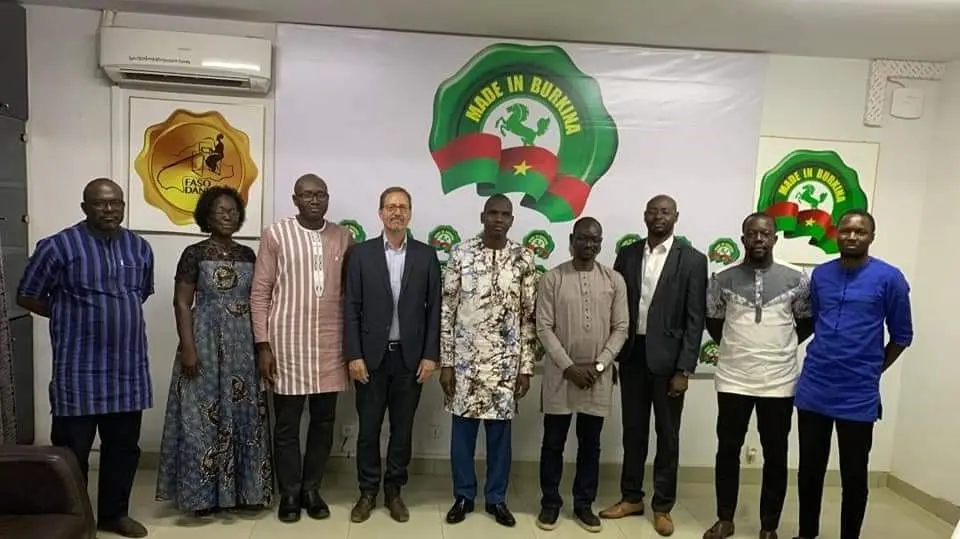
In Canada, and in European countries, you submit your documents and then you might have to follow up two or three times to get your permits. In Burkina, you need a personal connection to someone at the ministry or government authority. You have to make a lot of phone calls, meet people, explain the urgency and try to be as friendly as possible. Otherwise, your documents could even end up missing.
What impact did the two military coups have?
During the first coup, all the relevant key players remained in office. Because we had good relationships with them and our project will be creating added value locally, we had no major issues getting our paperwork. But the second coup directly impacted our environmental study, which cost us time. On the whole, however, our dealings with the local authorities have gone fairly smoothly.
What do you think about the delays you have encountered so far?
In Burkina and Africa in general delays caused by bureaucracy are normal. But delays during the actual building work are a global issue. Regardless of which country you're building in, there will always be minor issues or disruptions. Sometimes you don't have a choice, you have to take the hit and get on with it.

 Login
Login