
 Login
Login


1. June 2017
Price Increase – We'll Explain Why!
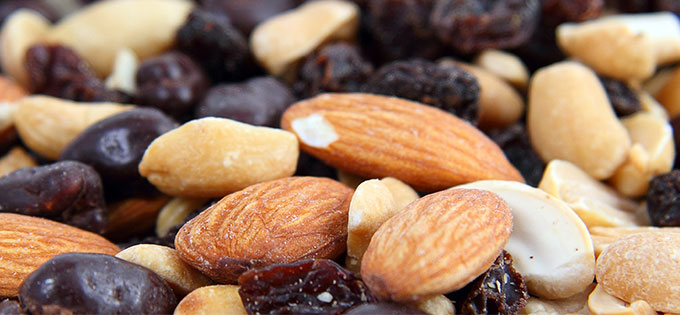
Basically, over the past year the weather phenomenon El Niño has led to very poor harvests in many places. In addition, our partner in Tunisia has abandoned the project from which we sourced our almonds and the processing of dried fruits from Pakistan has become more complex. Not to forget are also the price caprices that have for some time been appearing on the cashew market in West Africa. The causes are diverse, the effects everywhere the same: prices are rising.
And to an extent that we can no longer absorb ourselves and must partially pass the increase on to our customers. But we would like to take the opportunity to show you exactly what has happened.
Almonds:
After our project partner in Tunisia unfortunately abandoned his almond project, we set out to find a new supplier. We quickly had to realize: organic and Fair Trade certified almonds are extremely expensive and hard to obtain! There are indeed many organic almonds and also at a low price, but these come from plantations in California, Spain, Italy, etc. In the end we had three offers for organic and Fair Trade certified almonds from our existing project partners. Those from Pakistan convinced us in taste and they were also, although still comparatively very expensive, the "cheapest".
Wild apricots and cherries from Pakistan:
The reason for the price increase in dried fruits from Pakistan is not the purchase price, but the cleaning process, which additionally had to be carried out in Great Britain. Our project partner also passed the wild apricots on to us for many years at a very good price, even during the great apricot crisis. Now he sees himself forced to adjust the prices and we of course support this decision.
Brazil nuts:
The current Brazil nut harvest is absolutely catastrophic: the harvest was up to 70% smaller than the previous year. The main cause is climatic changes due to the El Niño weather phenomenon: because of the strong high-altitude winds at the beginning of the season, the blossoms fell to the ground before they could be pollinated. The situation was further exacerbated by far too little rainfall. In view of the harvest shortage and the persistently high demand, prices rose massively — and will probably continue to do so in the future.