 Login
Login

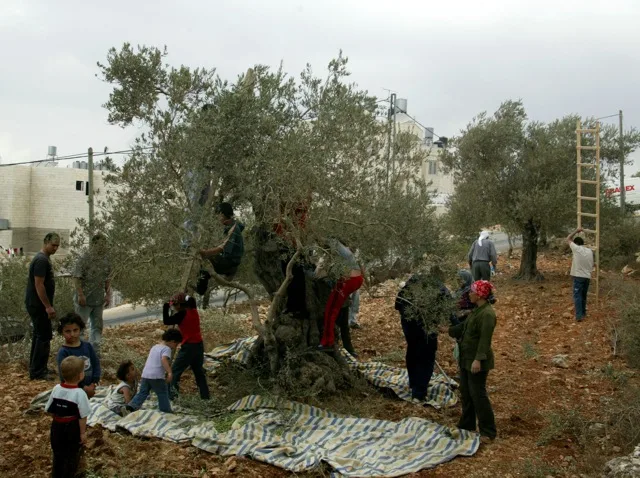
In the agricultural sector, the Quality+ project was established. Through years of development work, this project achieved a significant improvement in quality and the organic certification of the olive oil. In 2013, the staff of PARC (Palestinian Agricultural Relief Committee) worked in five cooperatives with about 150 female and male farmers. The goal is the organic certificate; furthermore, project leader Saad Dagher wants to win the farmers over to a holistic ecological approach. Good experiences have been made with a new tree-pruning method: this evens out the yield fluctuations that occur every 2–3 years in the olive trees. The usual tilling of the soil between the olive trees to combat weeds is also being omitted; instead, the grass is cut and used as ground cover. Many farmers are still skeptical and adopt a wait-and-see attitude, but the visible success of their colleagues in other cooperatives who apply the new methods convinces and increasingly motivates others to follow suit.
The more high-quality oil enters the market, the harder it becomes to find sufficient sales. In addition, investing in high-quality organic oil increases production costs. Realistic sales opportunities are more likely in wealthier countries in Europe. Some farmers in Palestine have to sell their olive oil far below value – either locally at the market or to other exporters. It is a major challenge to find new markets for this growing volume, not only for the Palestinian trade partner PARC, but also for our partner Verein Kampagne Olivenöl, whose goal is to secure a fair income for the Palestinian olive growers.
Do your part with an order or by recommending us to friends and acquaintances! Pre-orders for the new pressing can be placed now; the freshly pressed organic olive oil is expected to be shipped in early June.