 Login
Login

Eating for a week only what grows around the corner. No orange juice, no coffee, no bananas, avocados, olive oil, pepper, curry. What sounds like deprivation is an attempt to give regionally produced foods more weight in everyday life again. The attempt is called the Regio Challenge and is an idea from Germany.
The members of the Swiss Small Farmers Association were so taken with this idea that they joined the movement. On 3 September 2019 they launched their own regional week with a panel discussion at Progr Ost in Bern. But the actual challenge only begins on 9 September.
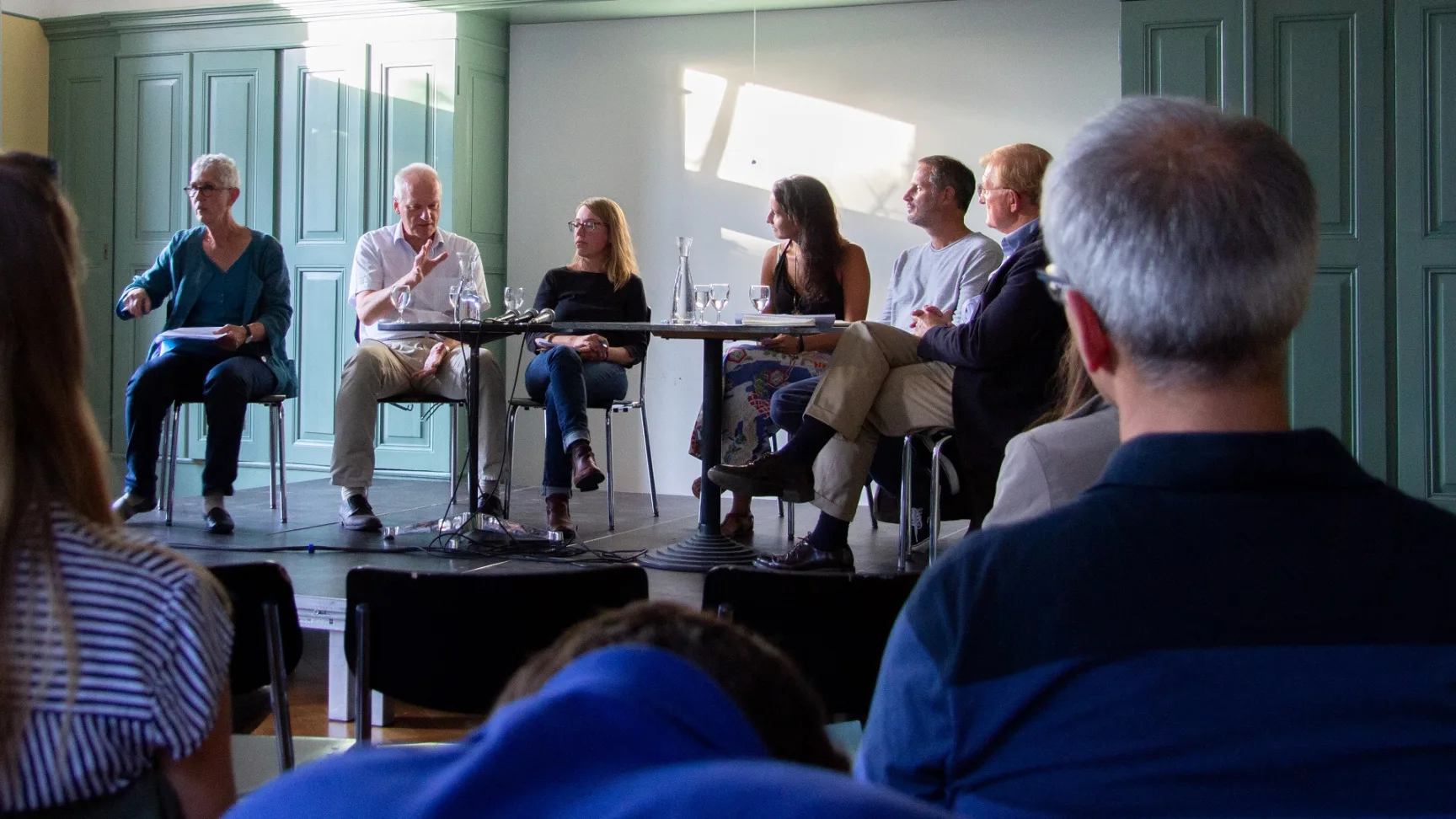
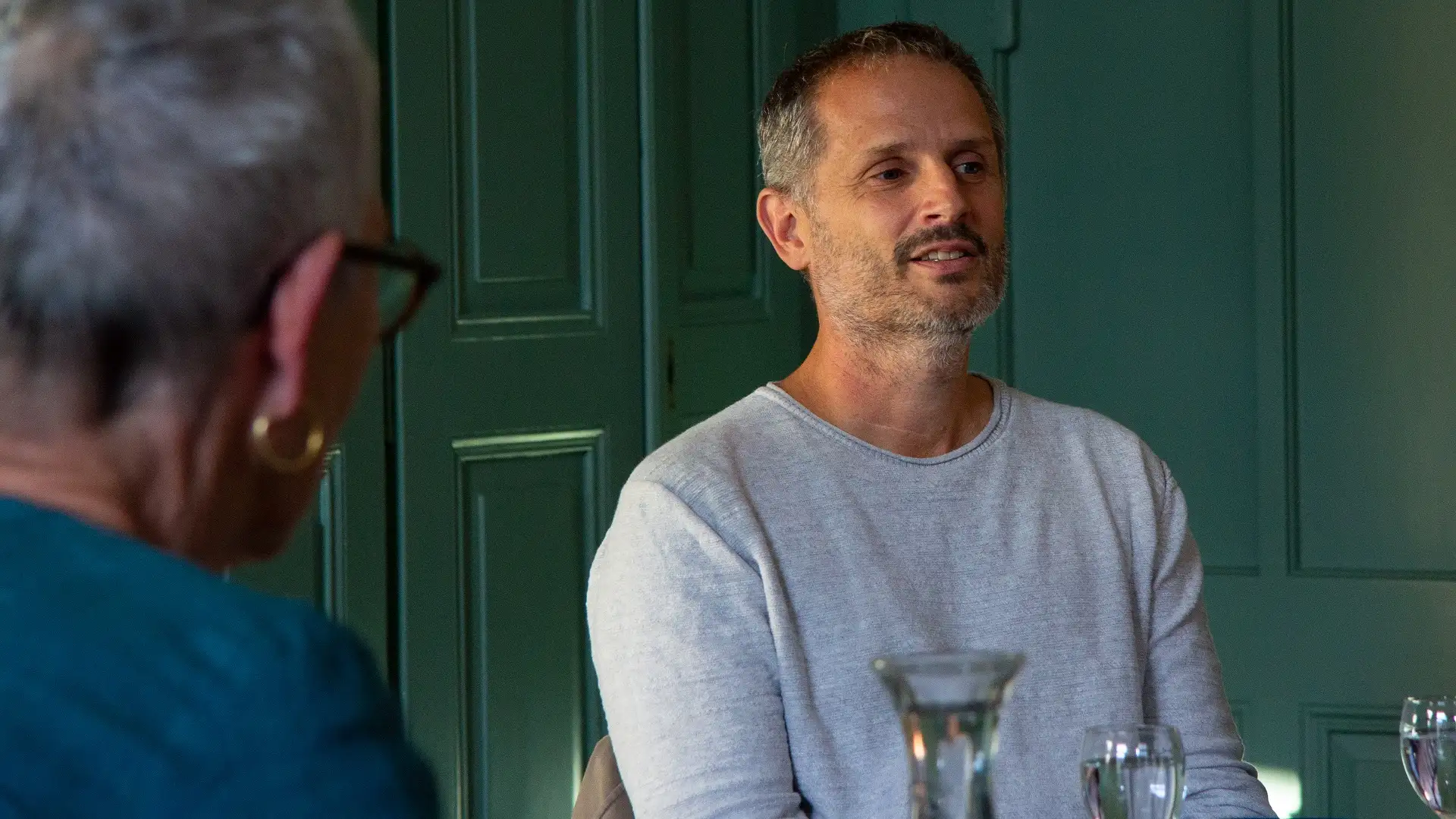
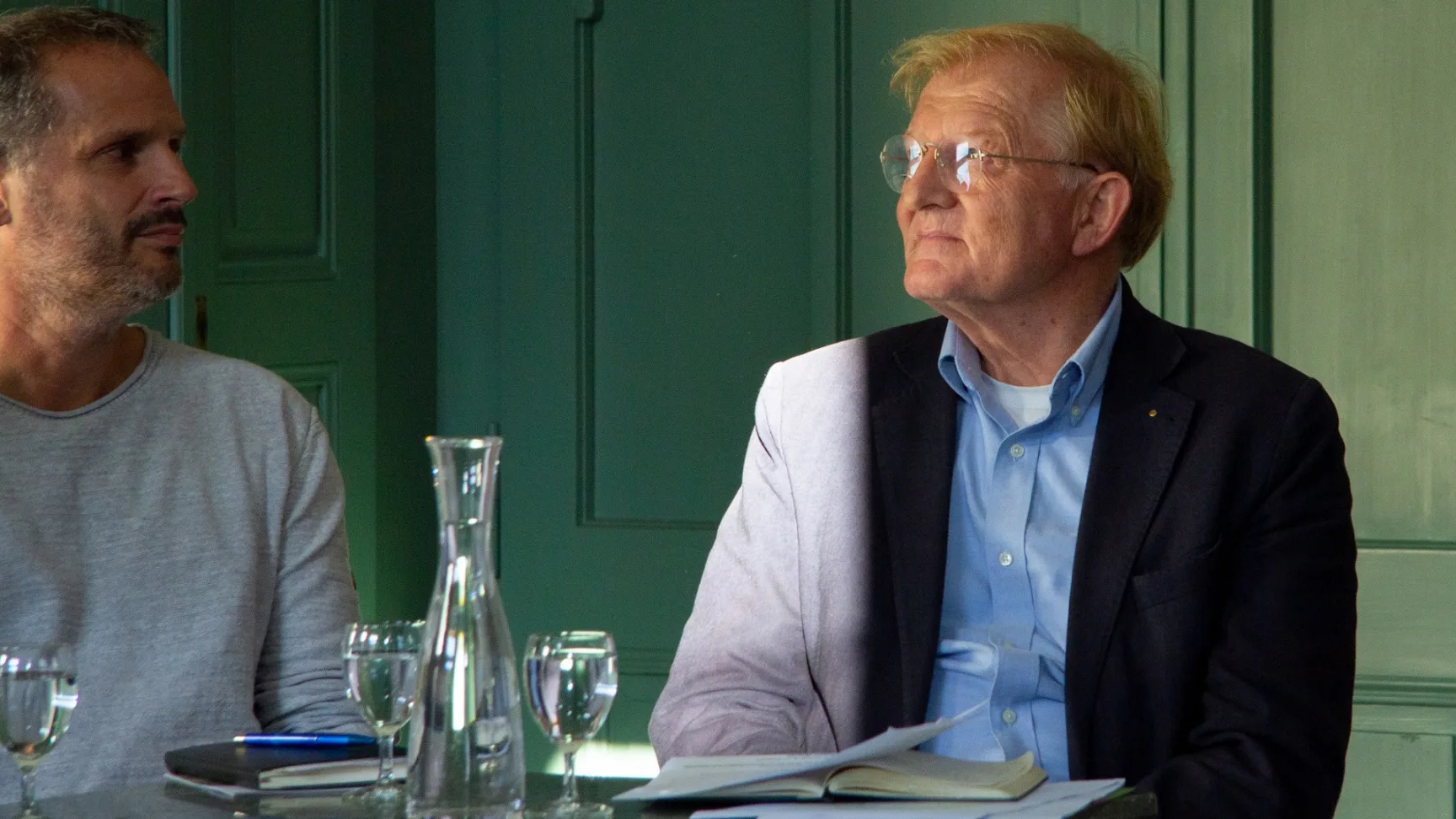
For the panel discussion the small-scale farmers invited five personalities who could hardly have more different backgrounds. On the far right of the stage in the small but well-filled hall at Progr sat Thomas Cottier, former Managing Director of the World Trade Institute and emeritus professor of European economic public law at the University of Bern. When he spoke, he took his time, gathered his thoughts and usually spoke at length.
The panel was complemented to Cottier’s right by gebana CEO Adrian Wiedmer, the evening’s moderator Alexandra Gavilano from the University of Bern, Tina Siegenthaler from the Cooperation Office for Solidarity-based Agriculture, Thomas Nemecek from the Life Cycle Assessment research group and Regina Fuhrer-Wyss, president of the Small Farmers Association, SP politician.
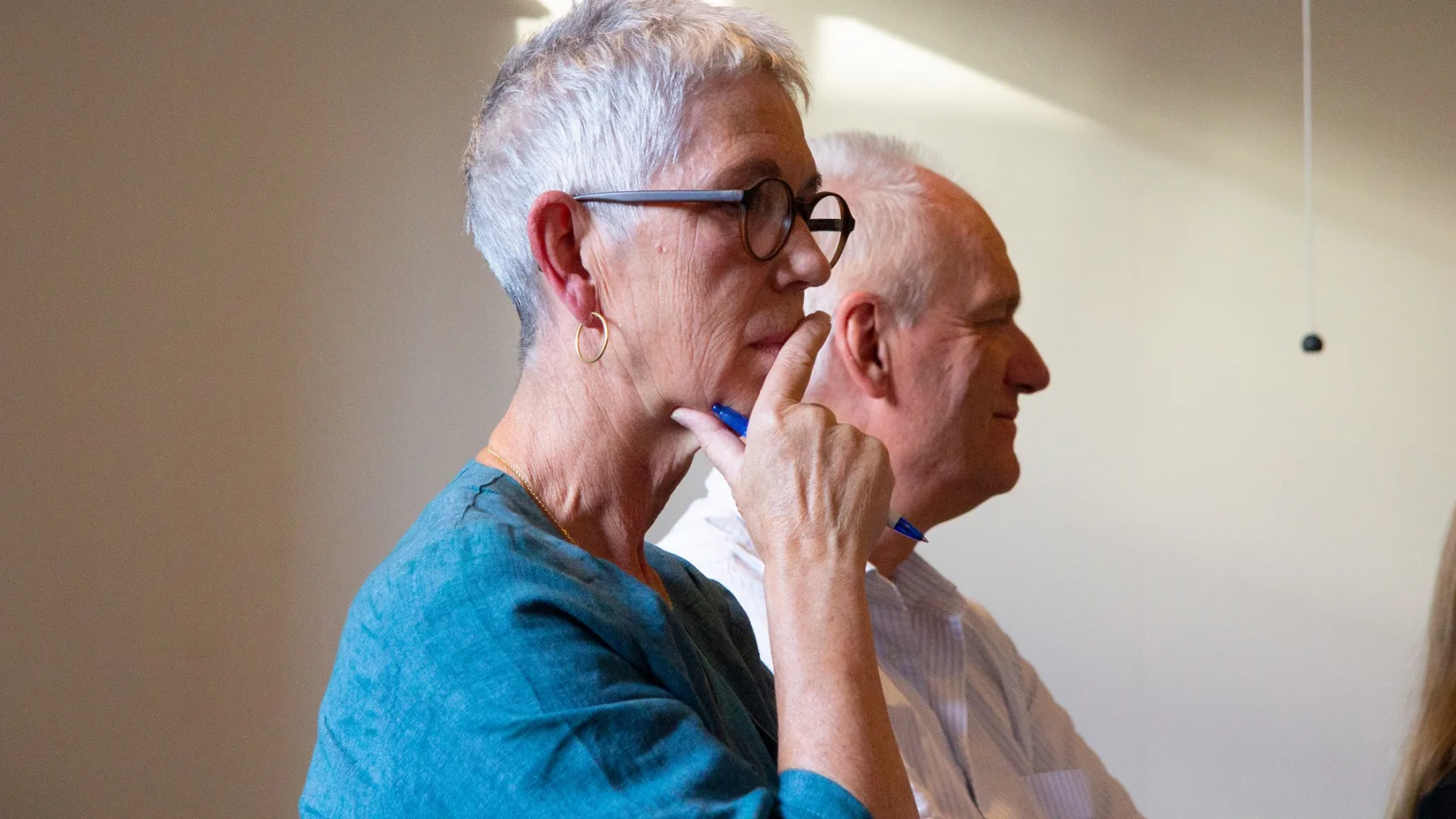
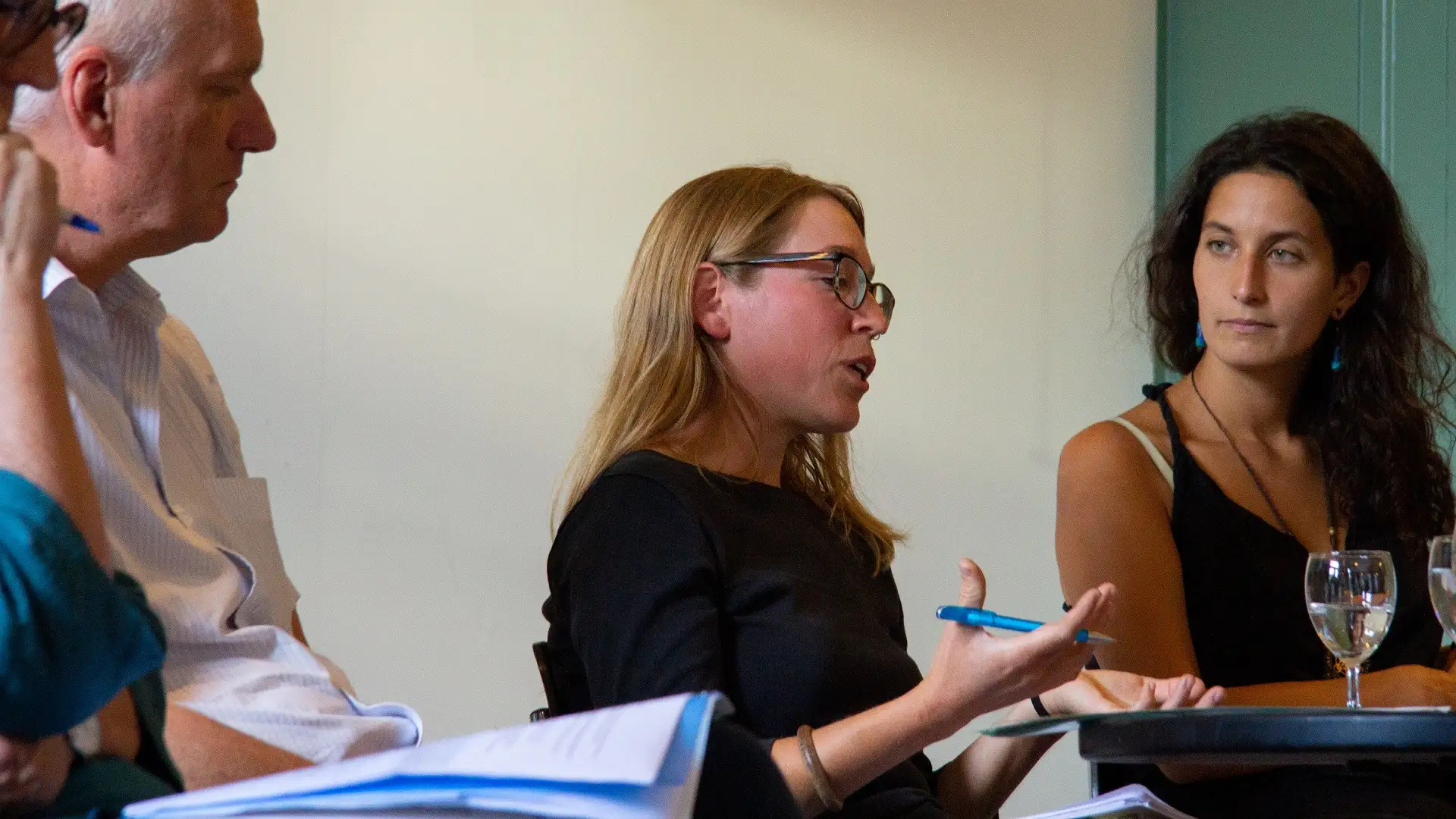
As a former president of Bio Suisse and, by her own account, an active organic farmer, Fuhrer-Wyss made clear quickly where she stands on agriculture. She said she knows that a large part of the Swiss population prefers small-scale, regional and environmentally friendly farming.
Regional production is not a guarantee for environmentally friendly production
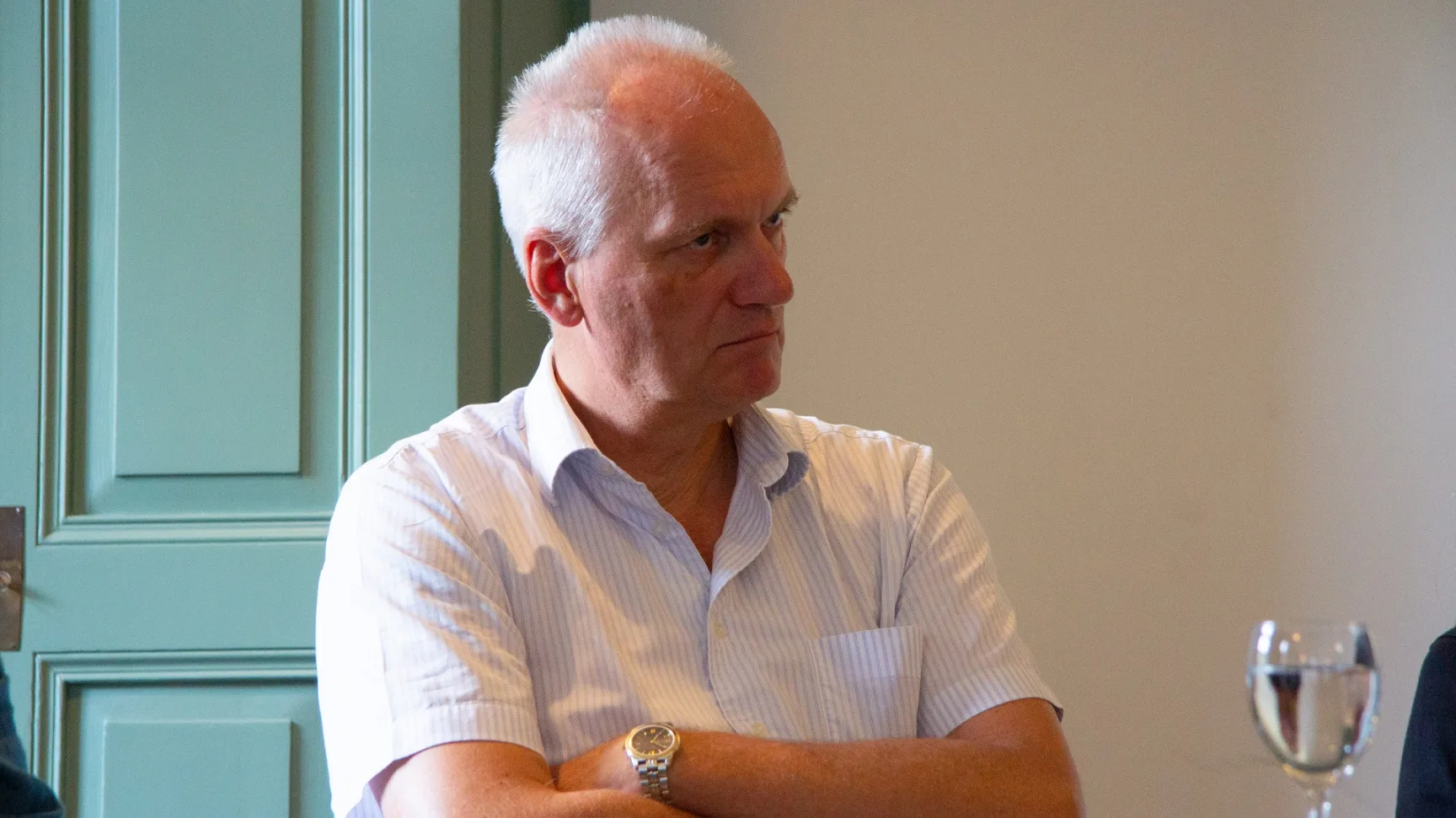
Nemecek shook his head as he listened to Fuhrer-Wyss. "Regional production does not guarantee that the product is environmentally friendly," he said. The Agroscope researcher deals with life cycle assessments, as he calls them. He determines values intended to help make the best decisions for the environment.
"Should I buy tomatoes from Switzerland or from Spain? What is ecologically better?" Nemecek asked the audience. Life cycle assessments could answer that, since they consider a product from cradle to grave. That is, from the seed through fertilizers and protective agents to the finished food that was transported from the place of origin to the consumer.
Sustainable consumption means seasonal consumption
Fuhrer-Wyss's hand shot up as soon as Nemecek finished his sentence. "Those are the wrong questions!" she said. It should not be about whether the tomato from Spain or from Switzerland is ecologically better, but about when ripe tomatoes occur in nature. "To me, sustainable, ecologically justifiable consumption means that, besides the production conditions, I especially know the season of the food."
Raising consumers' awareness must be central, she said. Only if you are aware of what you can trigger with your purchase is there a chance to change the system. "But I can only make the decision for or against a product if I really know where it comes from and how it was produced.
But who knows that today? "We are used to trusting a label more than a brand," picked up gebana CEO Adrian Wiedmer. In the eyes of consumers, a product with a label is automatically trustworthy.
For Wiedmer, a brand like gebana can do more than a label. You can observe that nicely in the USA, for example. Labels hardly mean anything there. Instead, various fair-trade brands would compete with each other. This competition leads to different concepts establishing themselves in the market. Labels would rather prevent that.
Most consumers would not see that. For them and even for the farmers, in his view: "Swiss vegetables are great. No matter how they are grown. The main thing is Swiss. Just no foreign vegetables," he said provocatively. Provocation aside. He had apparently hit a sore spot. Because Fuhrer-Wyss immediately responded to his statement: "The awareness of what grows near me and how it is grown also helps the South," she said. Almost as if she wanted to refute his argument.
Regionality is a question of trust
Rescue then came from Thomas Cottier. However, he did not continue the brief exchange between the two, but switched back to the topic of trust. For him, regionality is a question of trust, as he said.
But trust does not arise through labels or brands, but through people. "In a Migros, where I even have to do everything at the checkout myself today, there is no one left who can answer a question," he said. "The regional producer can do that and thus creates trust."
The big problem with that: If the regional model really works and everyone adheres to it, about 40 percent of the people in the country would have too little, as Cottier himself admitted. "We cannot produce enough in Switzerland for everyone," he said. The claim to want to produce as much as possible in Switzerland itself is, in his view, misguided. It is the wrong path.
Apparently none of the panel participants could really disagree with that. Nemecek added, however, that there is at least one way to greatly improve the ecological footprint of the Swiss population: changing diets.
In a study he and his team examined how the Swiss would need to eat to achieve the best possible ecological footprint. Their result: reduce meat consumption by 70 percent, consume many dairy products from Swiss pastureland and reduce food waste.
According to Nemecek, half of today’s food waste would be avoidable. It is a matter of appreciation. After all, it concerns food, he concluded.
The Regio Challenge runs from 9 to 15 September. The aim is to live for a week only on foods produced roughly within cycling distance. More information is provided by the Kleinbauern Association on its website.