 Login
Login


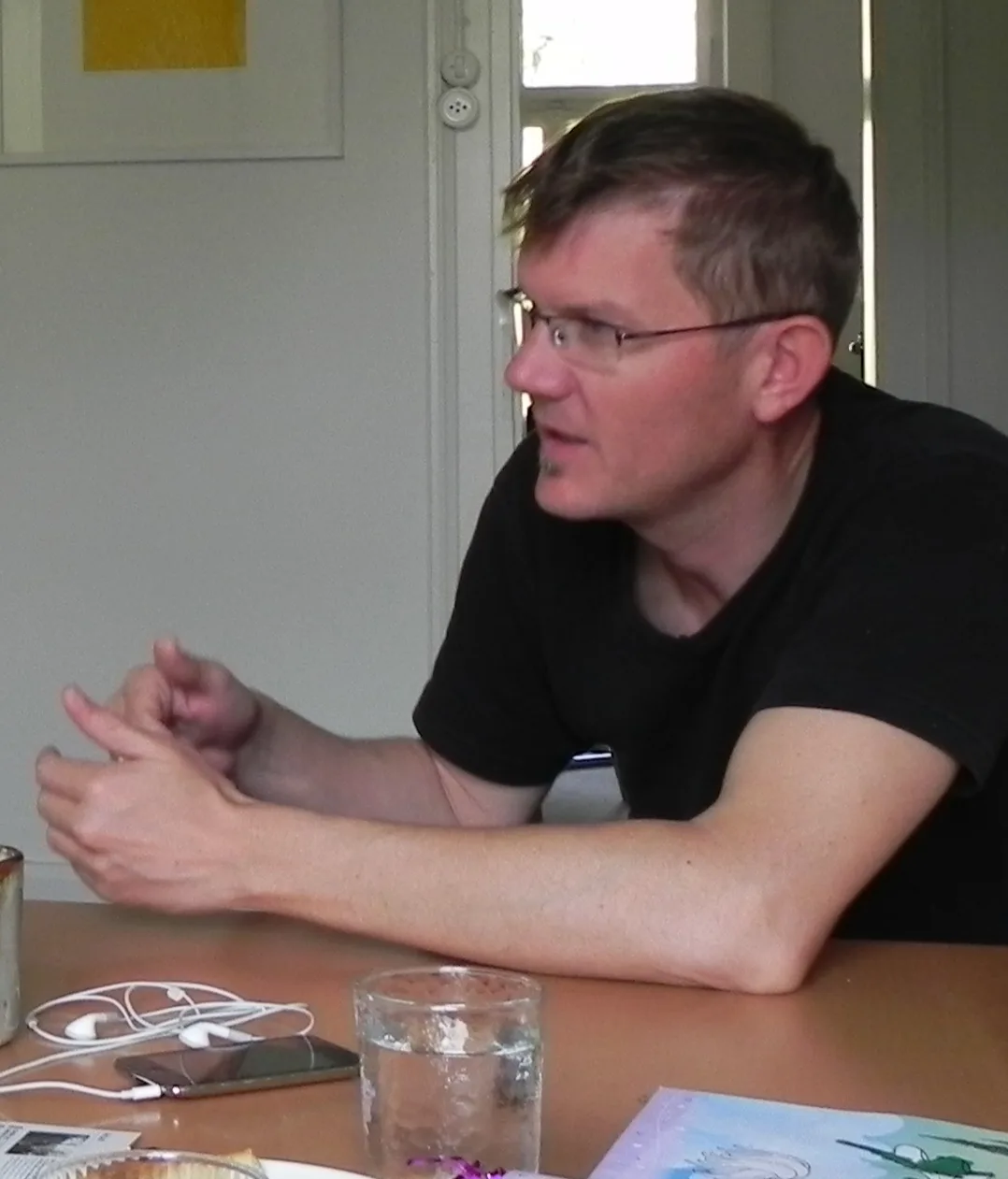
Stefan Lanz: It all began in 2002, I had the task of setting up a direct mail order for gebana. I was paid on a commission basis. First we wrote to about 200 people – friends, supporters and shareholders –
and sent them an order card for mango, pineapple and bananas.
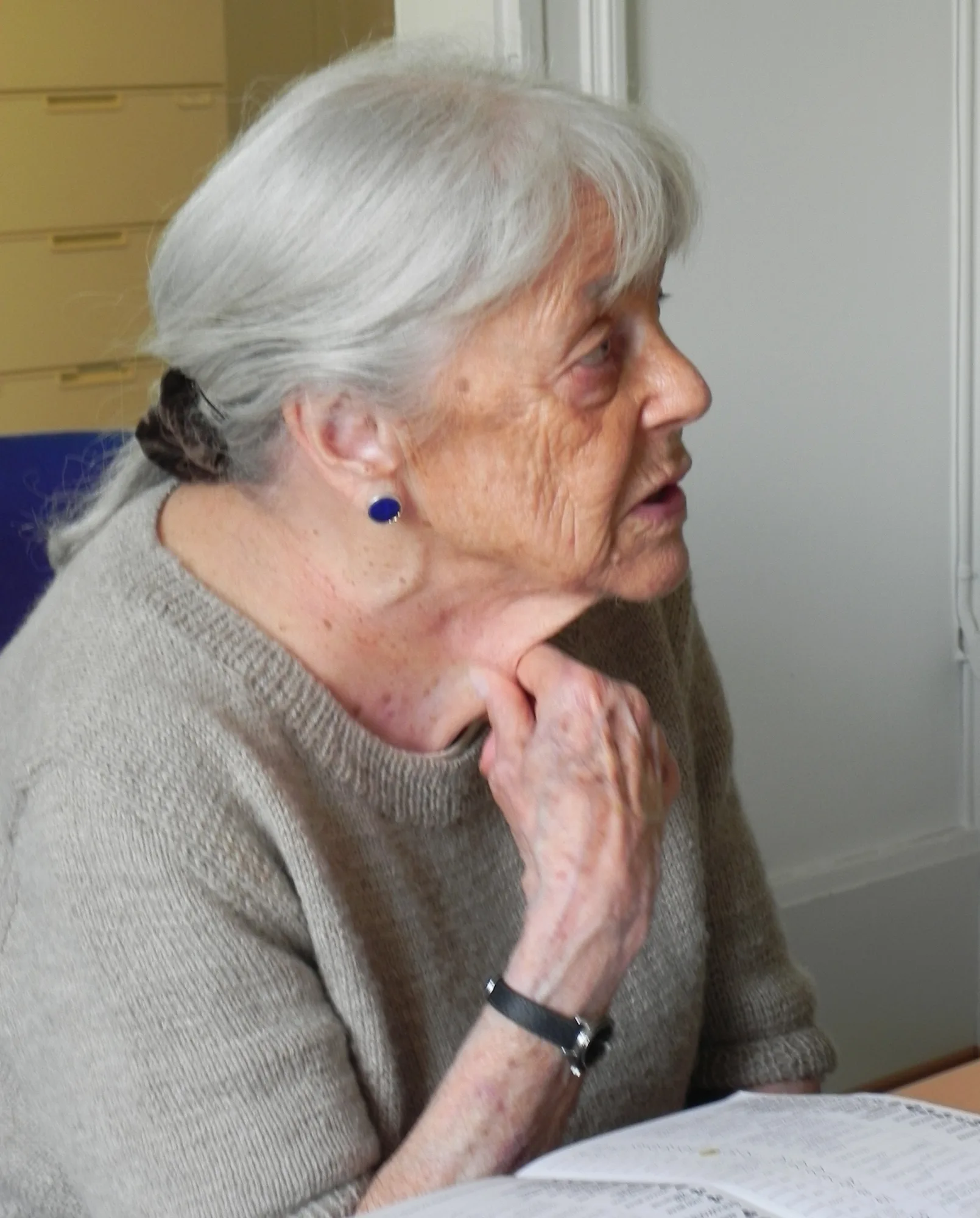
Ursula Brunner: At that time I was still on the board of directors. Adrian (Adrian Wiedmer, managing director) suddenly brought this card. We had never discussed it on the board before. At first I thought: “What a stupid idea! That was three or four years after the founding of gebana, we were not doing well financially. We would have had to hire someone to pack the parcels for shipping, and that would have cost money. So I thought I could take it on. That’s how it started.
Stefan: Right at the beginning I still packed the parcels in the office. When Ursula then came, we rented a room in Niederhasli, in the same building where we still have our warehouse today.
Ursula: The room was right under the roof, in winter it was incredibly cold up there. We worked in winter coats and with gloves!
Stefan: Yes! The mango and pineapple became rock hard from the cold. Once a customer wrote to us that he had to separate the pineapples with chisel and hammer...
Ursula: We had nothing, only improvised tables.
Stefan: In the room next door there were people who stored old furniture and then shipped it to
Africa. They had old tables that we were allowed to take.
*
Ursula: A lasting impression on me was the first delivery with insect infestation. Do you remember, Stefan? We looked for students to sort out the affected bags.
Stefan: That was about 50,000 bags! An absurd operation. You had to shake the bags a bit and look through the foil to see if tiny insect eggs fell out. We had 30 students in our warehouse for that, who worked for days!
Ursula: That was the beginning of something that occupies me to this day. There is talk of fair trade and how good everything is, but the quality problem is not solved. On the one hand we are extremely picky here and always want only the most beautiful. On the other hand, in tropical countries it is hard to get rid of the insects.
Stefan: It is an enormous balancing act between working with small farmers on the one hand and the demand to have the quality of an industrial product on the other. We have since done a lot regarding quality, but these problems still exist.
*
Stefan: At some point we hired Antonio to work in the warehouse.
Ursula: He was one of the first Italians who came to Switzerland in the late 1960s. What he told and knew was very interesting.
Stefan: He was really a nice guy, but it was difficult in business. We had 50 applications for the job and he simply came into the office and said: “Hire me”. We had no experience in recruiting employees and so we took him.
Ursula: He was used to working in a large warehouse with big crates. Our small warehouse, the small parcels, checking invoices – that was not his thing.
Stefan: He said we needed a forklift – although we hardly had any goods! But he helped us set up the warehouse better, for example he built shelves.
*
To this day the legend circulates of a letter from the warehouse staff with the subject “Ground troops to office”. What was that about?
Stefan: The letter certainly came from you ...
Ursula: Yes, that was a letter from me. Because of those scarves that Adrian had made shortly before Blocher was elected to the Federal Council for the first time. They said “more women, less Blocher” and things like that on them. We had to pack and send the scarves – we had huge crates full
of them – and everything was pressing terribly. It was before Christmas and we already had a lot of work. And over time that made me angry. I thought: “This won’t do. Just saying, do this now, without advance notice and planning, on top of everything else. That is sabotaging our work!”
*
Stefan: I also remember the cooperation with the post office in Niederhasli.
Ursula: Yes, with the wave of post office closures the one in Niederhasli was also in question. We spoke with the postmaster. For him it was good that we regularly shipped larger quantities of parcels.
Stefan: He accommodated us and also did things he was not allowed to. Sometimes, for example, he sent the postal bus by or picked up the parcels from us himself – things that should actually have gone directly through the parcel center. But that way he could generate revenue and thus arguments against the closure of his post office.
*
Ursula: It is really interesting how direct sales developed over the years from the “most primitive stage” in the beginnings to the complex story it is today.
Stefan: The direct mail order took some turns that surprised me. The first were the partnerships with the campaign Olive Oil or Café RebelDía. Another were the participants and investors: that you managed to involve customers that much. I think that comes from this directness, that we have contact with small farmers and processors.
Ursula: Even back then we noticed that there are people who are in solidarity with us, for whom gebana really means something. And such people still exist today.
Stefan: Yes. That is also a bittersweet point for you, that fair trade today is often only a label, right?
Ursula: Not a bitter point, but it is a pity that many people hardly care about the origin of products. People know nothing about the difficulties at the origin.
Stefan: That is the beautiful thing about gebana’s direct mail order, there are customers here who let themselves get involved, who are interested in what is happening at the origin.