 Login
Login

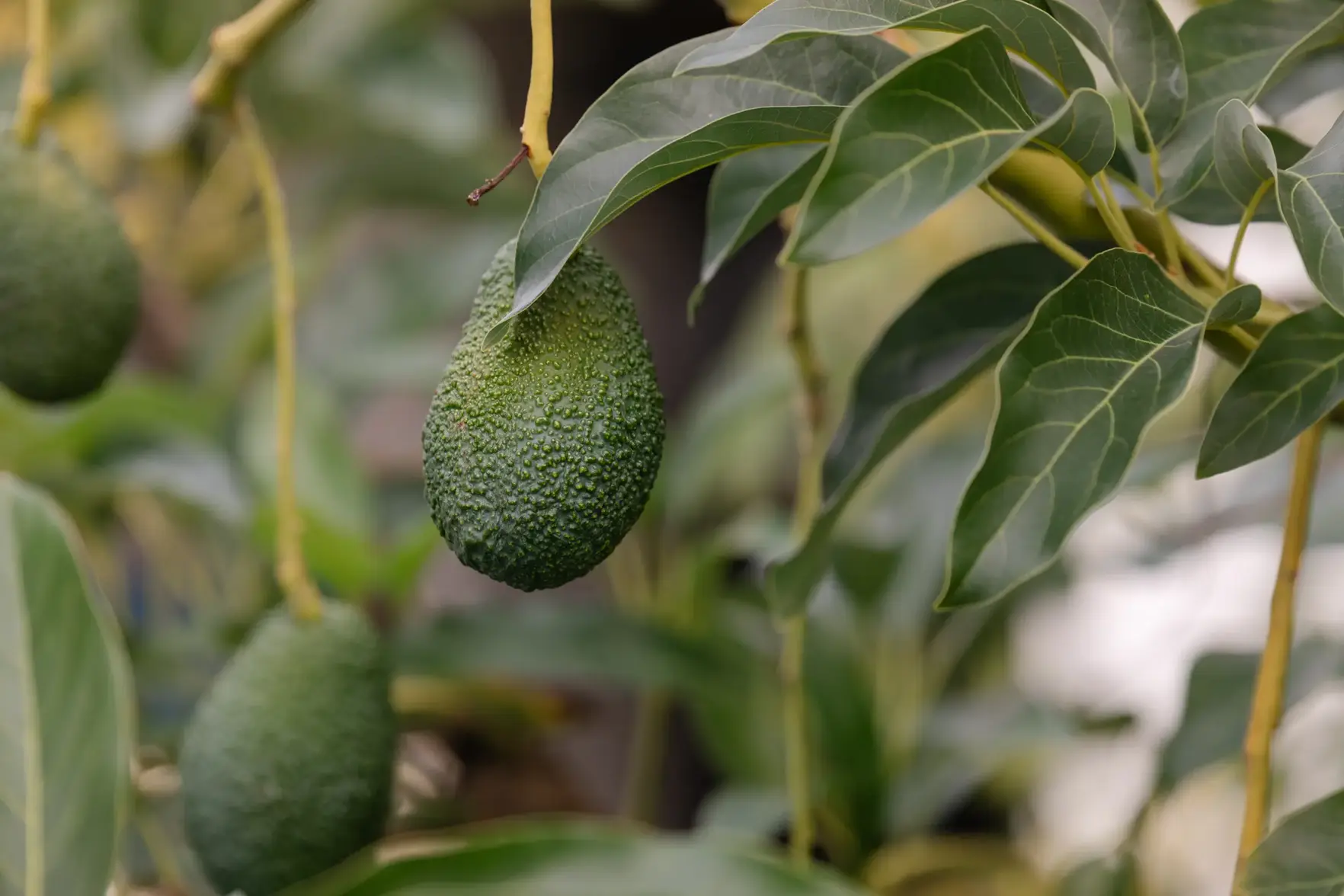
When Apostolis Mylonakis returned to his village in western Crete in 2011, people thought he had lost his mind. A mechanical engineer who had spent many years working in the Czech Republic and Berlin gives up his job to farm the land of his parents and grandparents? Organically, no less. At a time when nobody in the region cared about organic farming.
"My answer at the time was: why is that crazy? We are responsible for the health of our children and the people who live here. That is a priority", says Apostolis. "After all those years, coming back to Greece, I also told myself: this is my playground. It is the place where my heart beats stronger. The office job was really nice – but I love this more."
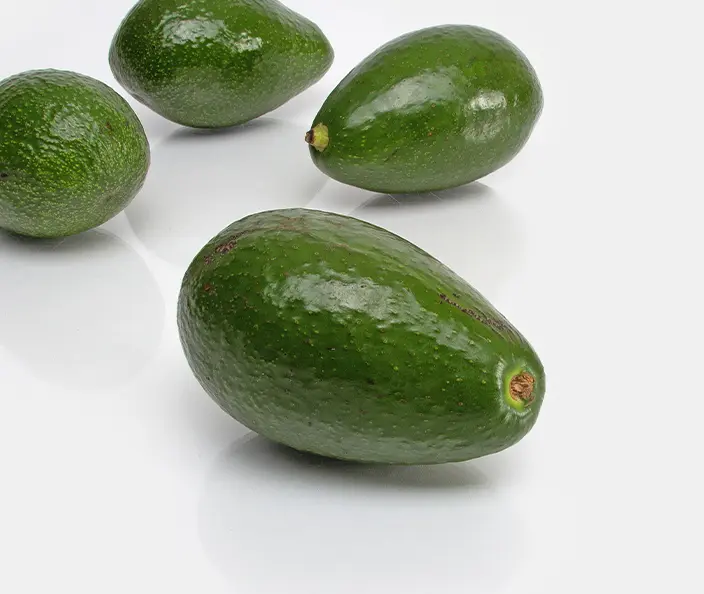
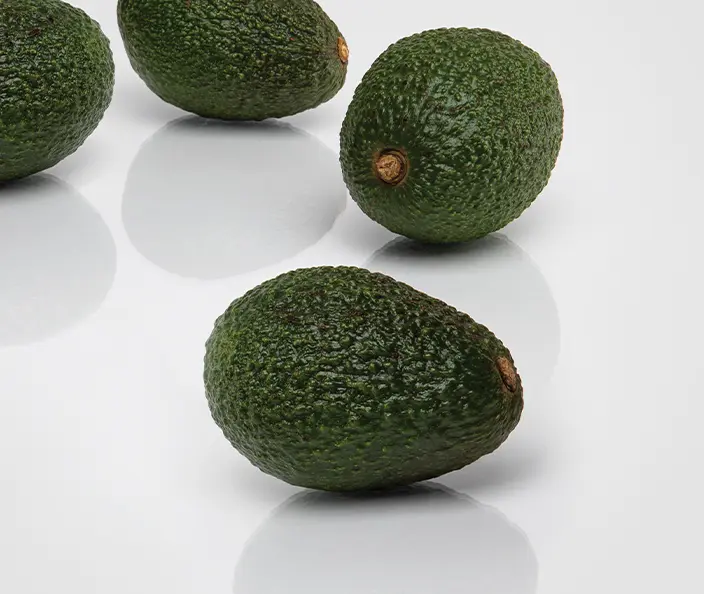
Today, 116 family farmers work within the network that has grown up around Apostolis – alongside avocados, they grow citrus fruit and olives. From November 2026, we will source our avocados exclusively from these producers, because things cannot continue as they are in Kenya. Due to the situation in the Red Sea, we have not been able to ship avocados by sea for years and have relied on air freight ever since, which is problematic for us.
On top of that, there is the new EU organic regulation for food produced outside the EU. It led our partner in Kenya to set up its own large plantation instead of continuing to work with many smallholder family farmers. That no longer fits with gebana. That is why we are now focusing entirely on Crete.
A place made for avocados
The fields in Crete lie around 12 kilometres from the sea, above the city of Chania, in the foothills of the White Mountains, the Lefka Ori. They rise to as much as 2'458 metres and are often snow-capped well into May. Their meltwater feeds streams, some of which flow directly past the fields.
These are fields that bear no comparison to the monocultures found in other regions of southern Europe. "You never just see avocados", says Apostolis. "In between grow orange trees, olive trees, here and there a small family garden, all of which creates its own ecosystem."
Where does the water come from?
As appealing as that sounds, the avocado is criticised for its water consumption; we ourselves have addressed this repeatedly in the past. And this criticism is justified – especially when avocados are grown in dry regions such as southern Spain, Chile or Peru.
In western Crete, however, things are different: winter brings plenty of rainfall, and meltwater from the mountains generally provides enough water. What matters is how it is managed: without exception, every family farmer in Apostolis's network relies on drip irrigation, which they use only during the dry summer months. Sprinklers are completely banned.
As a pioneer, Apostolis goes even further, showing other producers just how little water is really needed. He irrigates for only around 45 minutes a week, which equates to roughly 24 litres per tree. Apostolis also leaves the grass he regularly cuts between the trees as mulch and has sown legumes around the trees. Both cover the ground and retain moisture in the soil.
He also prunes the crowns of his trees so that the branches reach almost to the ground, forming a kind of tent. Inside these "tents", a microclimate develops with lower temperatures and higher humidity. "I am proving to everyone that it works", he says, "because I harvest every year." More and more producers are following his example, he says.
A rainwater reservoir for greater independence
In any case, Apostolis does not see the real water problem in the fields, but in tourism. Water from the villages, he argues, is diverted to the coast, to hotels with swimming pools and lawns; the state invests in tourism infrastructure but hardly in agriculture, he criticises. According to Apostolis, the public water supply was completely cut off for a time in 2025.
Rather than waiting for politics, Apostolis is therefore planning a rainwater reservoir of around 15'000 cubic metres – enough for four seasons, and, if necessary, also a drinking water reserve for the village. "That will cost around €100'000. For an investor, that might be nothing, but for us it is a great deal. If we find a backer, I will give up 0.3 hectares of my land for the reservoir – free of charge."
Not everyone is convinced by the reservoir idea, far from it. Some family farmers even consider the project unnecessary – there has always been water in Crete, they say. That is naive and short-sighted, says Apostolis. "We need the reservoir, and urgently so."
Quality control is a family affair
Regardless of this disagreement, the careful, nature-focused farming methods of the family farmers around Apostolis Mylonakis appear to be paying off. In 2025, their fruit set the European record for dry matter content in avocados. A level of 38.9 percent was measured.
Dry matter content is an indicator of a fruit's quality and ripeness. Depending on the variety, the EU requires a minimum value of between 19 and 21 percent for avocados to be sold.
For anyone who cannot make much of dry matter content, here is another indicator: the first fruit we shipped from Crete to our customers in 2025 had a complaint rate of 0.42 percent. That is one of the lowest figures across our entire range.
Perhaps that was luck. Apostolis, however, sees it more as confirmation of his philosophy: "We test the fruit at home with our children. If we like them, we send them out. If not, I do not ship anything – even if someone insists."
The gebana premium: too good to be true?
Our collaboration with Apostolis and the family farmers in his network runs through our long-standing partner Anyfion, which also supplies us with citrus fruit from the Peloponnese. We have worked closely together for more than ten years and hold a 20 percent stake in the company.
Thanks to this connection, we have already integrated the producers in Crete into the gebana model. At the end of June 2026, they received the gebana premium for the first time: 10 % of the sales price from our online shop, in addition to the organic prices already paid.
At the information session held to mark the premium payout, we were met with many surprised faces. "The money has been in their account for a while now – and they still cannot quite believe it", says Apostolis.
For us, this reaction is nothing new. Wherever we have introduced the gebana model and the gebana premium so far, we have always been met with disbelief at first. And that is entirely understandable. After all, how often does it happen in trade that a company pays more than it has to? Practically never.

We share. Always.
10 percent of our sales price goes directly to the farming families who grow our fruits and vegetables – this sharing is an integral part of the gebana model.
While the farming families digest their new reality, we are already looking forward to the next harvest. The first avocados from Crete will arrive with us in November. You can already preorder now.