
 Login
Login

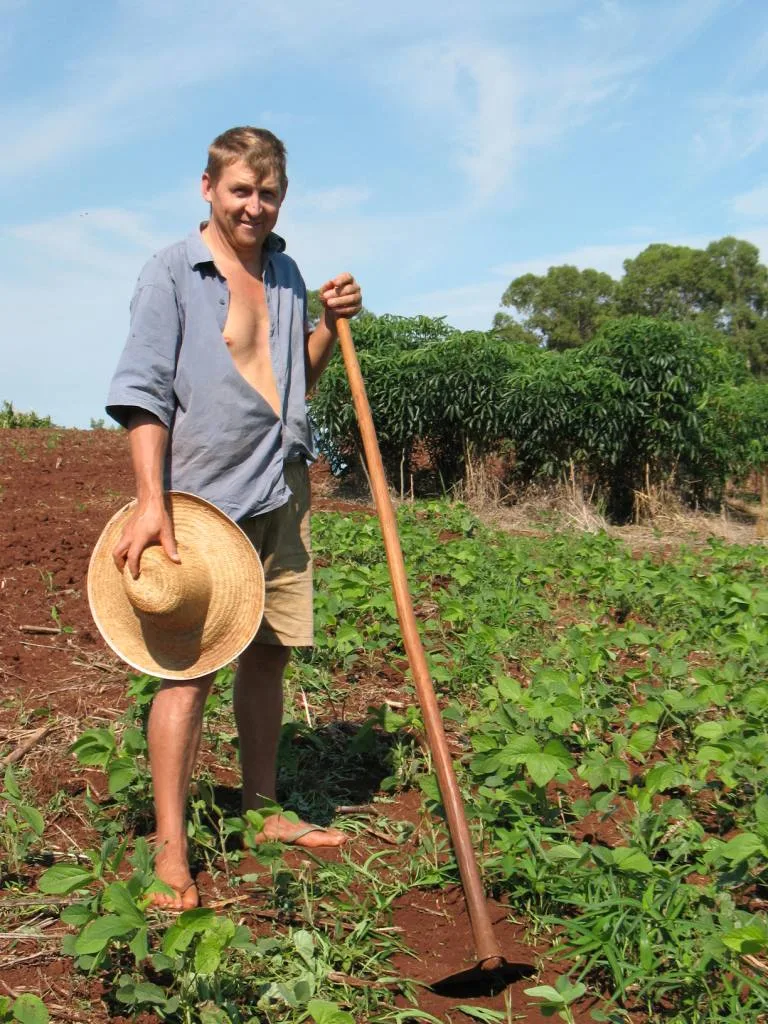
Two years ago traces of the pesticide endosulfan were found in organic soy from smallholder farmers in southern Brazil. The poison entered the environment from conventional agriculture, was taken up by the organic soybeans and greatly reduced their market value. The farming families and gebana Brasil, partner company of the Swiss fair trade company gebana, suffered heavy losses from this situation. The farmers fought back together with gebana and launched the campaign “Chega (“Enough” in Brazilian) – Smallholders against Pesticides”. They criticized that poisons banned in Europe for decades were still being sold in Brazil and demanded an immediate ban. Endosulfan was indeed subsequently banned in Brazil as well, but the ban will only come into full force from 2013. Because of the continued high risk several families abandoned organic cultivation at that time.
Since then, however, the endosulfan traces in the organic soy have decreased and the organic soy could be sold again. But now the long-term consequences of the heavy losses back then are becoming apparent: despite the positive operating result in 2011, many banks did not renew gebana Brasil’s loans. As a result of shrinking liquidity, gebana Brasil was only able to buy a reduced quantity of organic soy this year. In addition to uncertain offtake, a drought reduced the organic farmers’ harvest, prompting dozens of families to turn their backs on farming. A vicious circle that could mean the end for the largest and oldest organic grain growing region in Latin America.
At the same time demand for organic soy is rising. Fraud scandals involving organic soy from Romania and Italy shook the market at the beginning of the year and unsettled authorities and buyers. A trustworthy source with direct links to the producers is therefore gaining importance in international trade.
From 2013 the threat from endosulfan should also disappear completely. In addition, gebana can report progress in developing improved technologies for organic farming: new organic seed and mechanization of weed control should solve the problem of labor migration in the long term. For the migration of farmers plays into the hands of large landowners, who lease or buy up the freed agricultural land and plant genetically modified soy there, which, thanks to the use of agrochemicals, is far less labor-intensive.
Despite these favorable conditions, the prospects for gebana and organic cultivation in southern Brazil are poor because of the financial situation. Until September the Swiss gebana AG is attempting in a final effort with existing and new investors to restructure its sister company in Brazil. If this does not succeed, smallholder organic farming in southern Brazil will have little chance and “South America’s island of organic soy”, as the NZZ recently headlined, will probably disappear from the map for good.
Press release of 27.07.2012