
 Login
Login

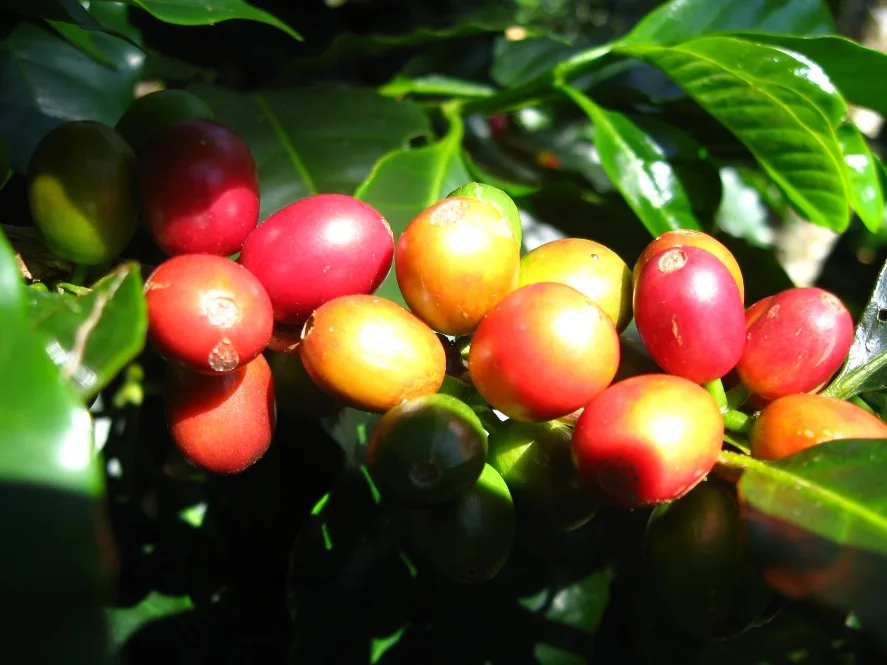
Our coffee is grown in Chiapas, southern Mexico, by Zapatista farming families. The Zapatistas organize themselves autonomously from the Mexican state and manage all public areas such as education, healthcare, and justice themselves.
The Zapatista movement became internationally known when, on January 1, 1994, it occupied several district capitals in the Mexican state of Chiapas and demanded basic rights for the local indigenous population such as access to land, food, healthcare and education, as well as democracy and justice. These demands arose against the background of decades of marginalization, neglect and exploitation of the rural indigenous population in Mexico.
When negotiations with the Mexican government over more rights for indigenous people failed, the Zapatistas declared their autonomy from the Mexican state. From then on they renounced state funds and began to build their own administrative structures, health centers and schools.
For years the Mexican government responded to the indigenous resistance with (para-)military violence and repression. The political situation has since calmed somewhat and the assaults on Zapatistas have decreased, but they still occur. Today the Mexican government increasingly tries to win the population over with development promises and tourism projects and thus weaken the autonomy movement.
In addition to a fair price, a solidarity contribution of nearly 3.50 francs per kilogram of coffee sold goes to our partner association Café RebelDía, which uses it to support civil society projects on site. On the one hand, the training of health personnel and midwives for the region's six autonomous health centers is co-financed. On the other hand, two organizations are supported that in southern Mexico work on the prevention and protection against torture, care for torture victims, access to justice and the documentation of human rights violations.
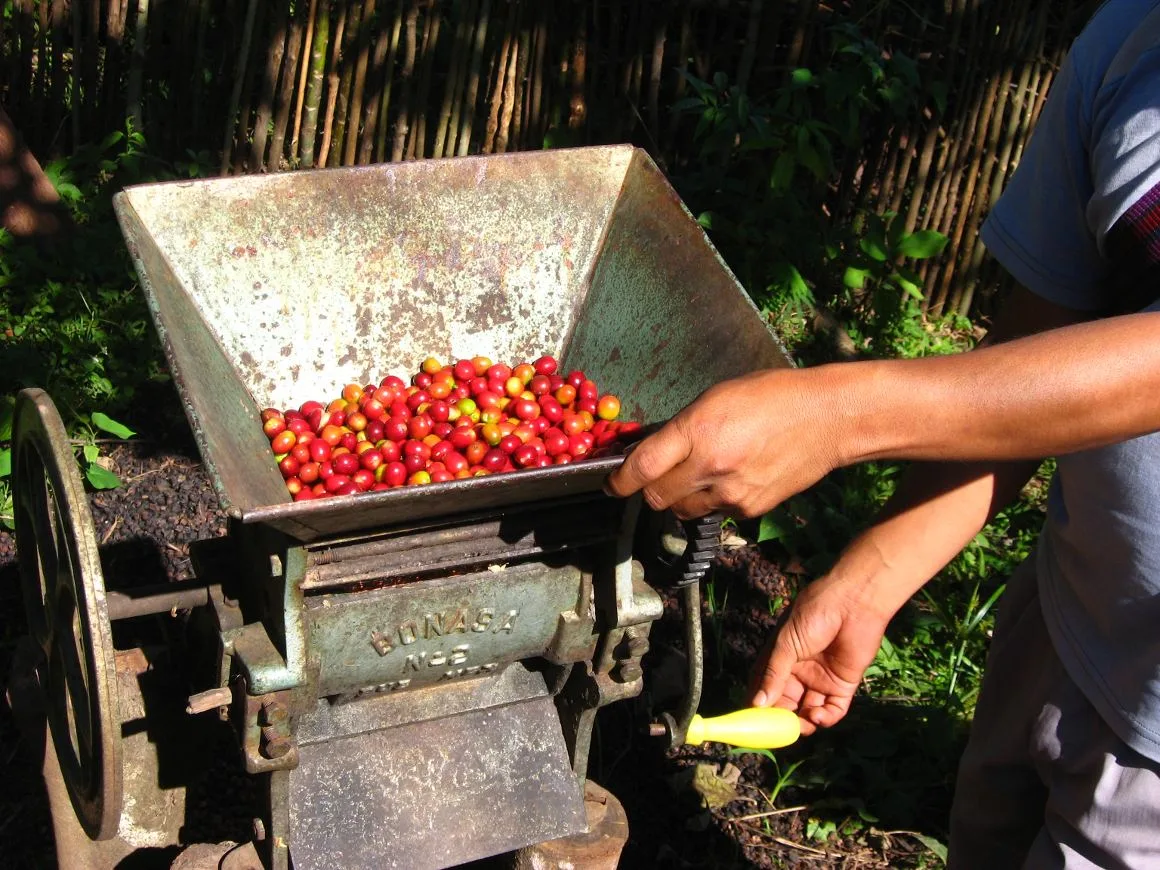
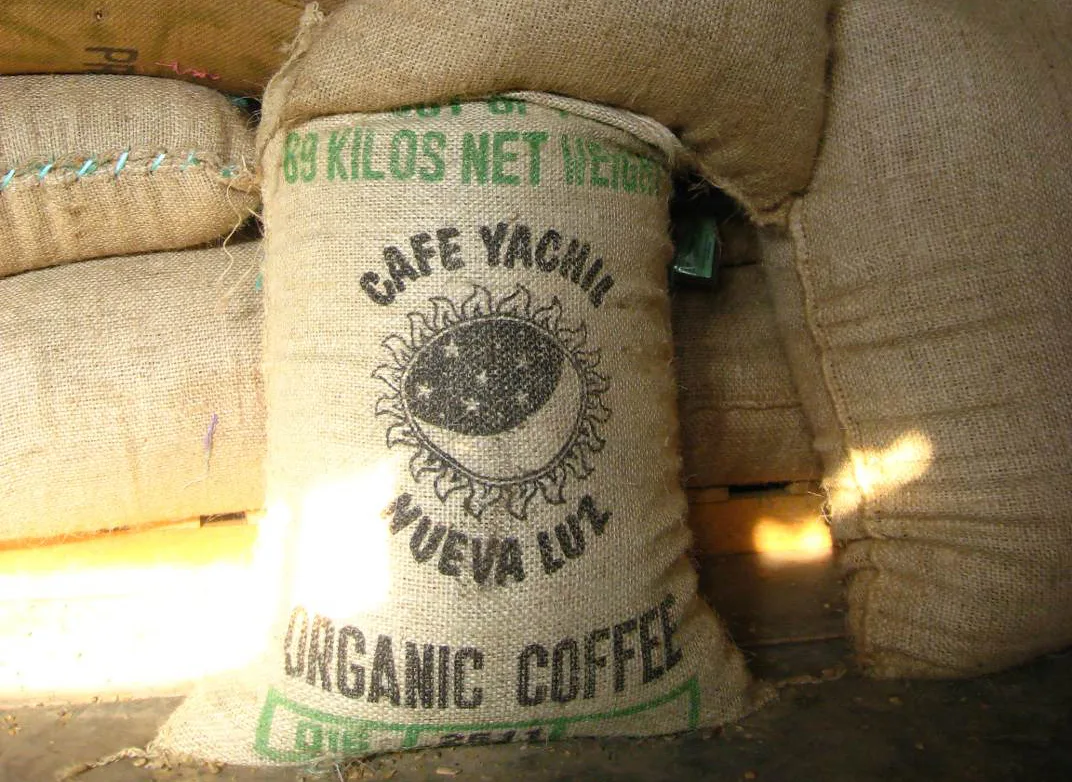
The producers of our coffee are members of the cooperative Yachil Xochobal Chulchan, which in German means New Light in the Sky, founded in 1998. The cooperative has been exporting organic coffee since 2001, and since 2008 for the association Café RebelDía and gebana. The 600 farming families belong to the indigenous Tzotzil people and live in the highlands around the district capital Chenalhó. For most of them, coffee is the only source of income. A long-term stable and fair price for their product is therefore essential for the immediate securing of their livelihood, but also for the economically sustainable, independent development of the indigenous region.