
 Login
Login

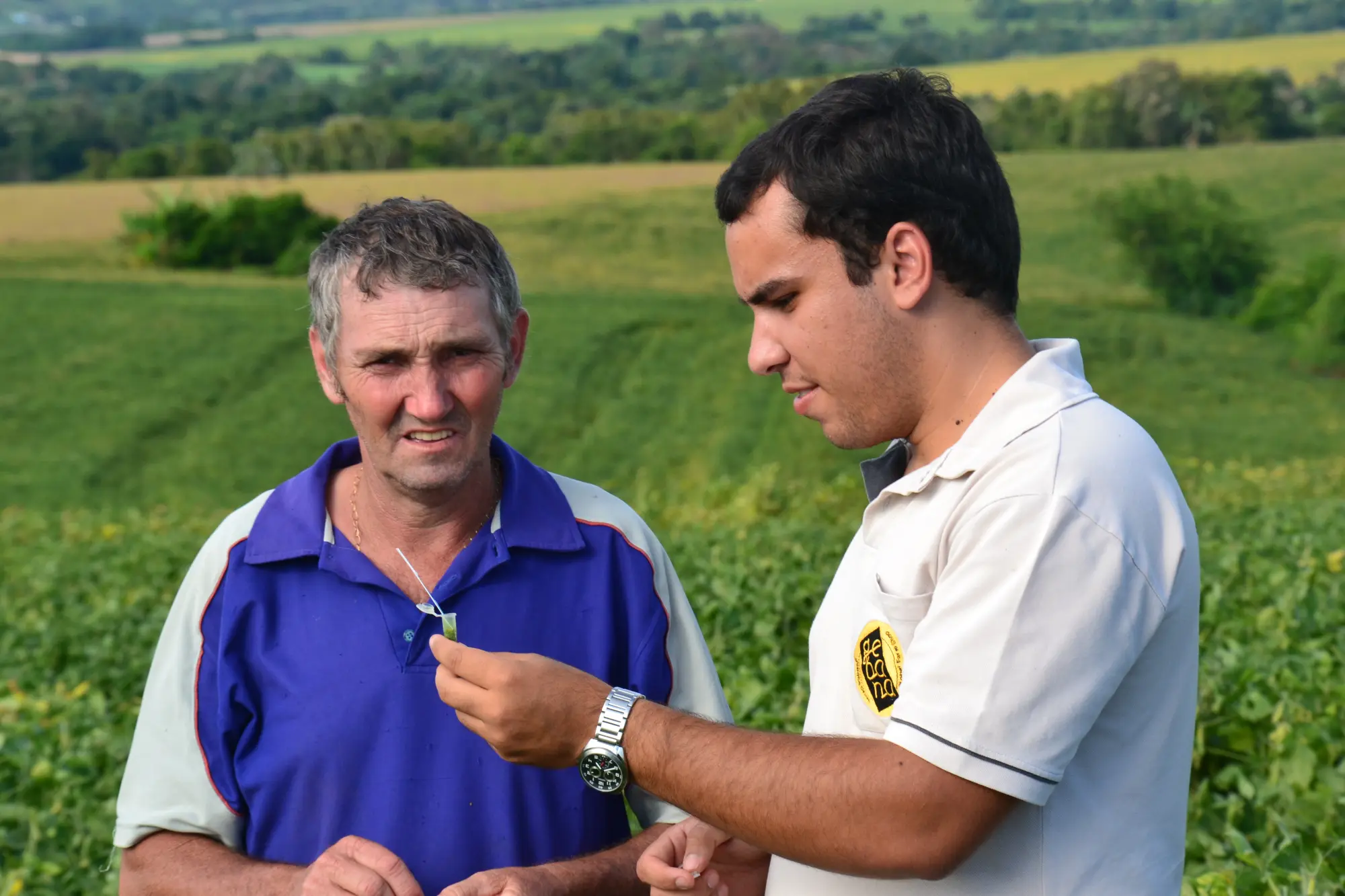
For almost five years a group of small Brazilian farmers worked toward certification under the RTRS standard for responsible soy cultivation. Administrative requirements in particular were difficult for the smallholders to meet. Thus the farmers are now proud to have achieved certification according to RTRS standards – the first smallholder farmers in South America ever!
Over 700 farming families participated in the project carried out by gebana Brasil in cooperation with the Dutch NGO Solidaridad. The experiences made vividly show the major obstacles smallholders face in accessing preferential markets such as RTRS, but also how these can be overcome. For example, it is unnecessary to require smallholders to comply with labor laws when they do not employ any workers. Other technical difficulties included, for example, correct bookkeeping for field work or the necessary structural changes for the storage of plant protection products.
By gradually introducing the criteria and with a strong focus on training programs, a group of 163 farmers with a total of 4,354 ha of soy has now been certified.
Smallholder farmers create added value in several ways. They provide significantly more jobs and livelihoods for people than large farms. In land use they are much more diversified, which benefits the environment. gebana welcomes the efforts of the agricultural industry to increase sustainability in its supply chains. However, it demands that the added value created by smallholders be recognized by the agricultural industry and that mechanisms be established to improve smallholders' access to these markets. Only by including the approximately 500 million smallholder farmers in global markets is a sustainable agricultural future conceivable at all.