
 Login
Login

"Canton Uri authorizes wolf to be shot", "Wolves tear cattle in the canton of St. Gallen", "Wolves jump fence and kill ten animals". The wolf is providing one headline after another in Switzerland this year. From the exterminated predator that for generations was known only from stories, it has once again become a real threat to livestock. Even though for a long time no one wanted to believe it.
"When we started dealing with livestock protection 12 years ago, our colleagues said we were crazy," recalls Bruno Zähner. "They said the wolf would come as far as Valais and then it would be shot dead."
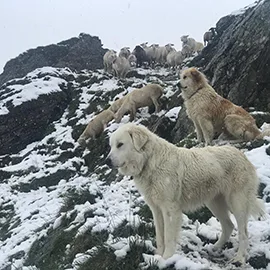
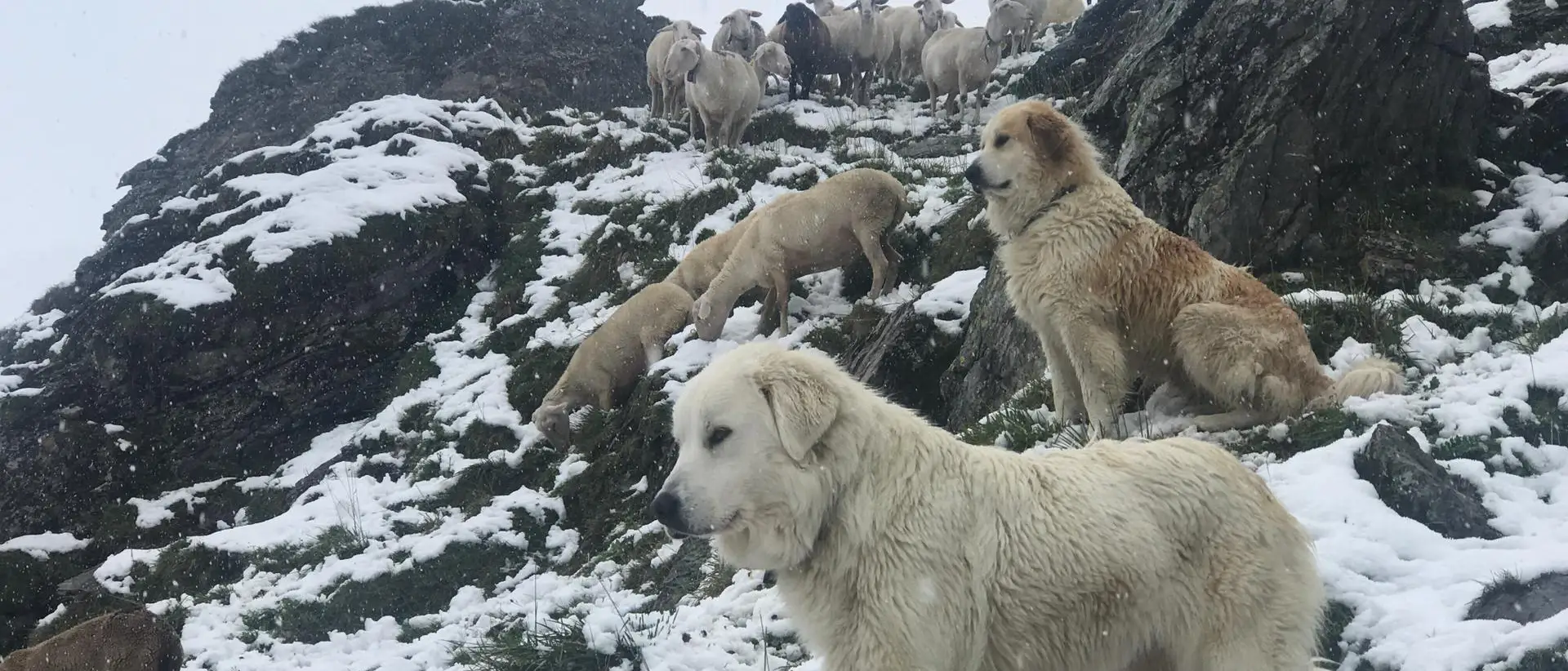
Zähner and his partner Sabrina Otto keep dairy sheep. They summer the animals on an alp every year until about September. Ten guard dogs and three full-time shepherds watch over the flock during that time.
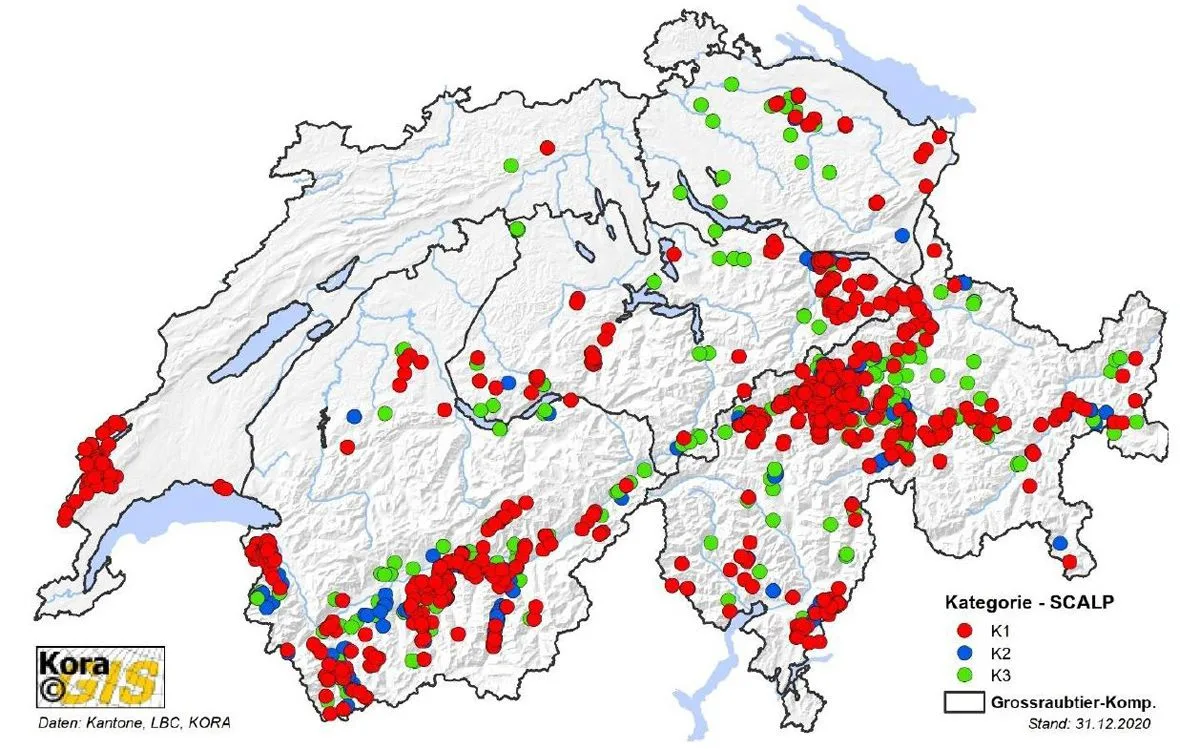
How wrong the farming couple’s colleagues were is shown not only by media reports but also by the facts: according to figures from the Competence Centre for Carnivore Ecology and Wildlife Management (Kora), there are currently 16 wolf packs living in Switzerland. In January this year around 150 wolves roamed the Alpine region and the central plateau. Almost twice as many as in 2019.
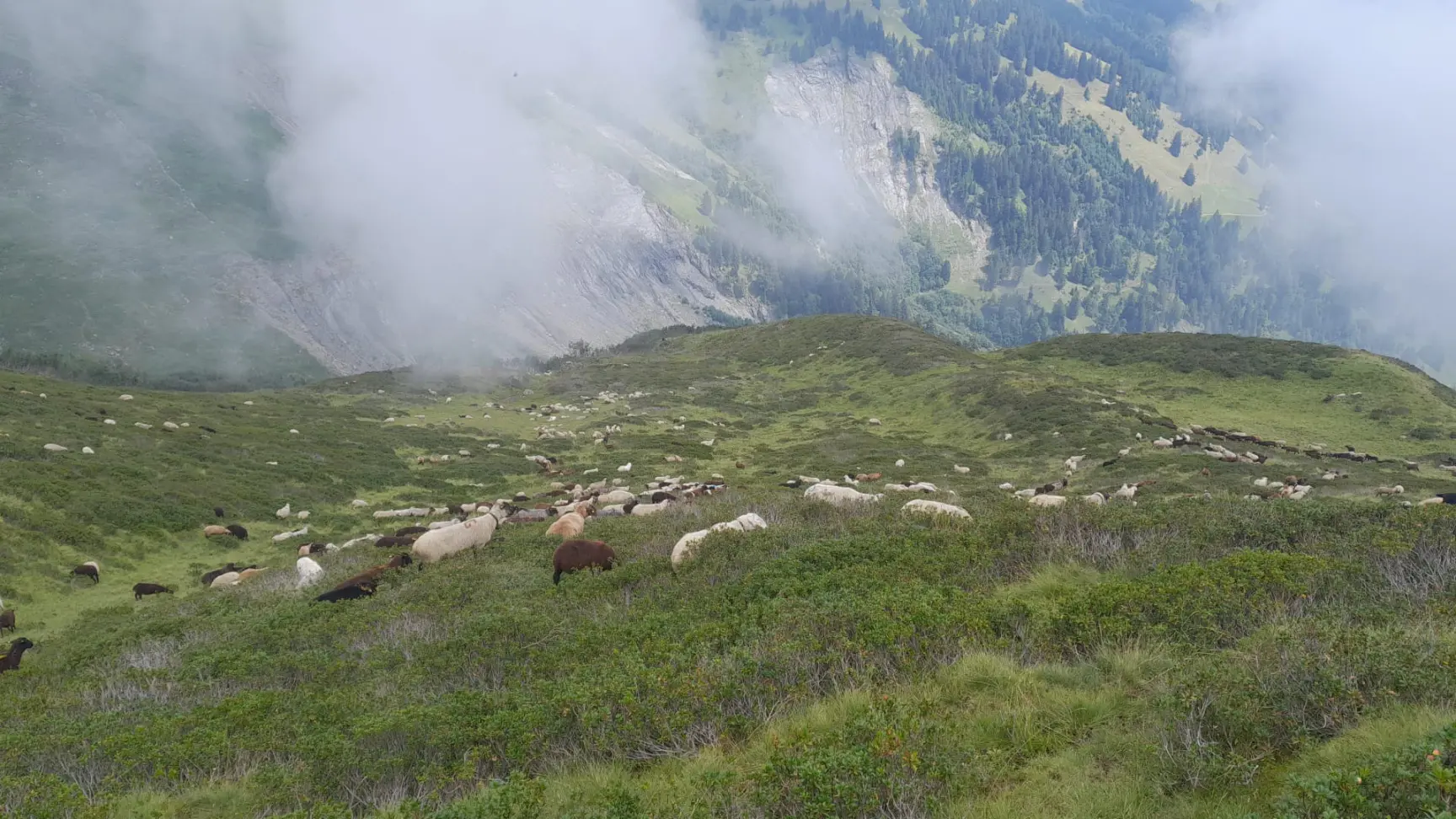
Some of those wolves have already crossed paths with Zähner and Otto’s sheep. Despite protective measures, these encounters did not always end well. "Last year we had about 1,300 animals on our alp. Including wolf kills we lost 21," says Zähner. "That also includes falls and occasionally a disease." Without protective measures it would probably have been different. "If the wolf comes and your flock is not protected, then it kills 20 animals at once," says Otto.
The wolf is an opportunist
Why does it kill so many animals? "The wolf is a pursuit predator and opportunist: it tears prey whenever a favourable opportunity arises," Kora writes on its website. This behaviour makes sense in nature, since hunting success often fails and a wolf can therefore go hungry for a long time. "It cannot afford to miss a chance at prey," it continues. This nature of the wolf leads to fleeing animals repeatedly triggering the wolf's killing instinct. In particular, in fenced sheep pastures this can end with it killing more animals than it can eat.
The federal government and the cantons respond to the wolf's killing urge with extensive requirements for herd protection and with regulation, which the federal language calls the shooting of wolves. Since summer 2021 the revised hunting ordinance has applied here, according to which:
- If it is a lone wolf attacking herds, the cantons decide when the gamekeepers may move in on the predator.
- If it is an entire wolf pack that has sheep, goats or even cattle on the menu, the Federal Office for the Environment decides on the regulation.
The question of how much damage requires regulation is not answered the same way by all cantons. In the case of pack attacks, however, the rules are clear: wolf packs may be regulated after ten sheep or goats have been killed (with herd protection).
Livestock protection is not worthwhile for everyone
For Graubünden goat farmer Ladina Lötscher, the rules and regulations do not add up. Wolves and livestock protection are like two football teams competing against each other, she says. "They ramp each other up. If you add a new element to livestock protection, the wolf learns to bypass it again. Where does it end?"
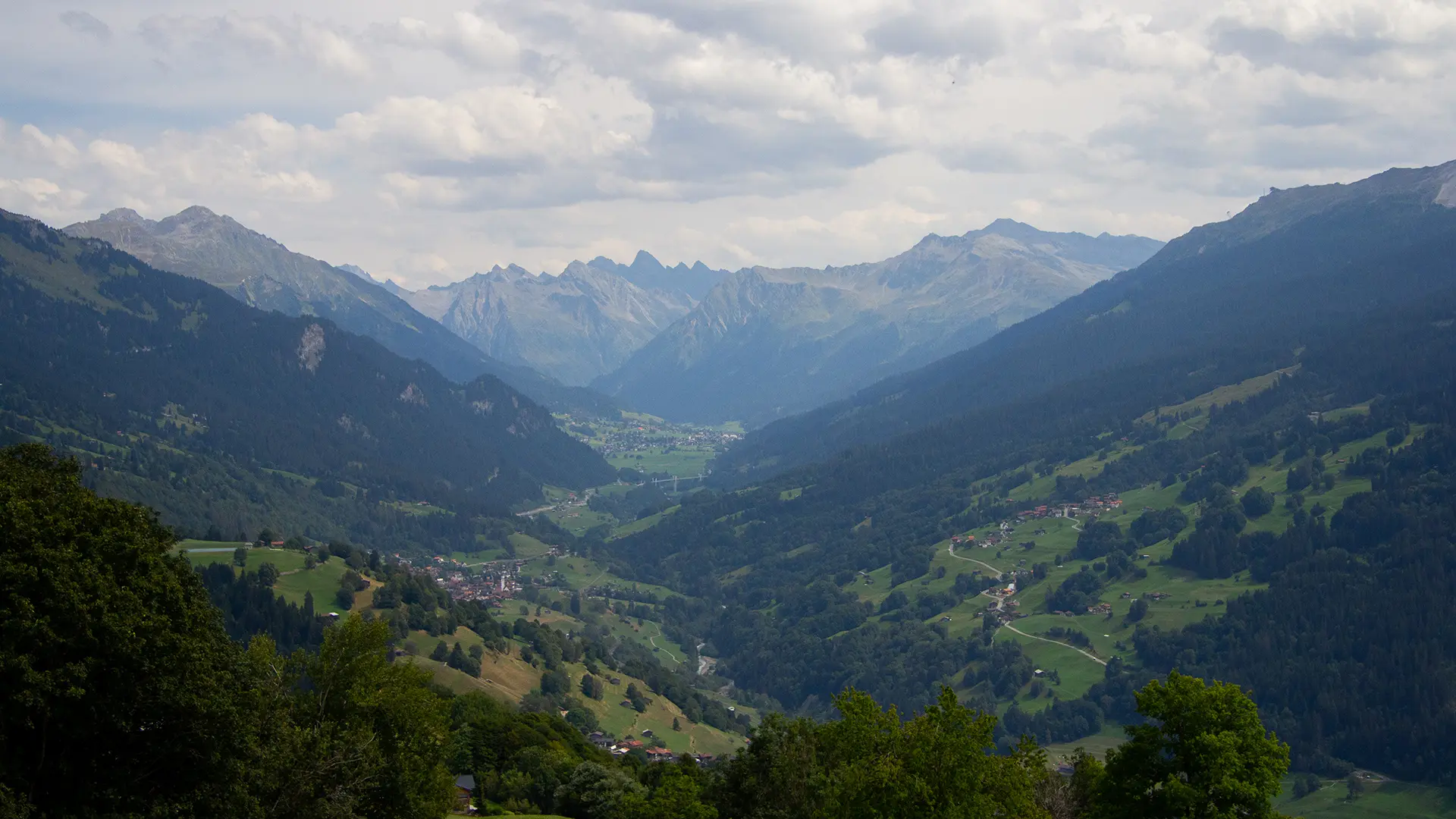
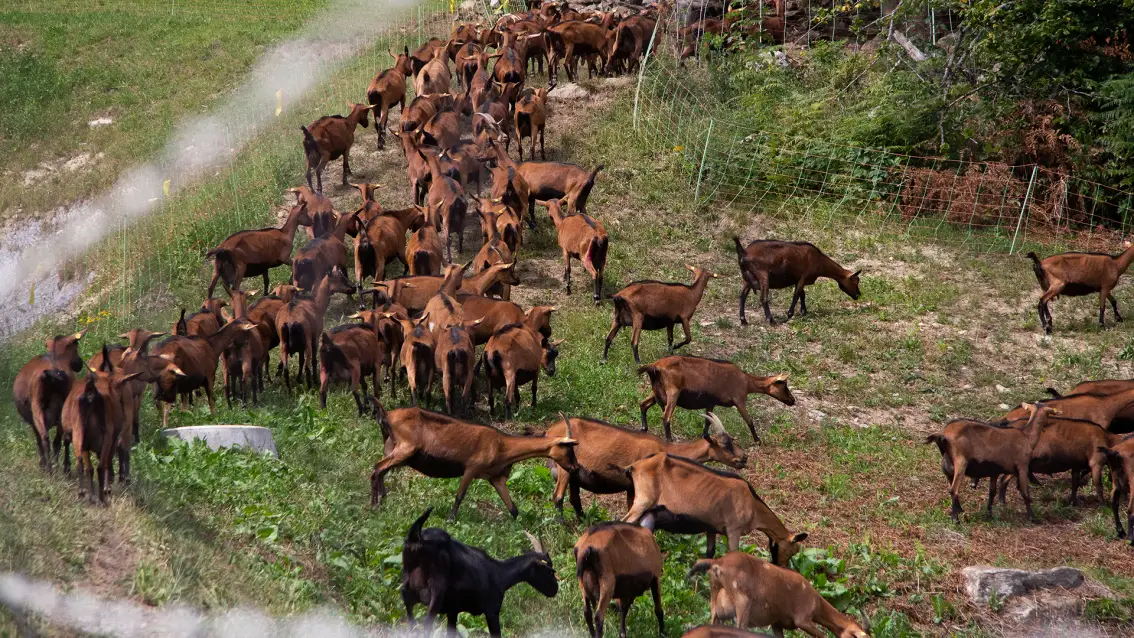
Ladina Lötscher and her husband Abraham keep around 140 goats in Pany. The animals are always on the farm or on the immediately adjacent pastures so they can go into the barn at night. "That is actually not normal," says Lötscher. "We live in the mountain region, we would like to summer the animals, bring them to the alpine pasture. But at the moment, under these circumstances, we are not very motivated to continue our summering project with the goats. Although it is existential for mountain farms like ours."
For the Lötscher family, livestock protection does not pay off. Effort and return are not in any proportion. The family is particularly bothered by the "exaggerated protection" that the wolf enjoys according to Lötscher. "I think it should be like with deer or roe deer. You don't have to additionally protect them either."
The agricultural advisory service Agridea is understanding of such concerns, but emphasizes that a sensible coexistence of humans and wolves is possible. "The return of wolves requires adjustments in agriculture, which are partly, at least initially, also associated with additional effort and extra costs," the advisory service writes to us on request.
According to Agridea, fences are needed today where previously it worked without them. Since this is often not possible in the summering area, "first steps towards livestock protection in summering are the hiring of a shepherdess and night pens." If necessary, producers could in a second step involve livestock guardian dogs to improve protection.
Since 2003 the number of livestock guardian dogs has almost increased tenfold
The federal government financially supports farming families with contributions for fences, for the training of guardian dogs, for the wages of shepherds and, in the case of proven wolf attacks, by compensating for the killed animals – provided the protective measures comply with federal requirements.
Agridea's figures show that more and more producers are choosing livestock protection. For example, the number of guardian dogs used on the alpine pastures increased from 42 to 297 dogs between 2003 and 2021. The number of wolf attacks fell in 2021 for the first time since 2019, despite the growing wolf population, from 922 (2020) to 867 (2021). According to Agridea, however, it is still too early to identify direct correlations.
Ladina Lötscher nevertheless waves this off. "Every protective measure one takes also has consequences. With guardian dogs there are incidents with tourists or cows falling. The dog does its job, but the dog owner is responsible," says Lötscher. "So: God preserve me from guardian dogs."
The protection of the wolf is the fundamental problem, as Lötscher repeatedly emphasizes in the conversation. "That is simply not necessary," she says. "One should simply determine at the start of the hunting season that so many wolves may be shot. Just like it is done with ibex. That is regulated there too."
Debate about the wolf is conducted too emotionally
In fact, Agridea sees it similarly to Lötscher: "In view of the still rapidly growing wolf population, stronger hunting of the wolf is the next logical step," the advisory office writes. "Nevertheless, there will be no way around herd protection in the future."
Maybe goat farmer Ladina Lötscher will thus still partly get what she wants. The emotions in the debate will then probably flare up somewhere else.
Bruno Zähner believes that the debate about the wolf is conducted too emotionally. "The farmers list how many animals they have lost to the wolf. 800, 900 or 1000 animals nationwide. Then the pro-wolf group comes and says 'Hey, 5000 sheep die on the alp every year. So the few hundred lost to the wolf are peanuts. Take better care of your sheep.'", says Zähner.
In fact, animals die on the alp because they have a heart attack, because they fall, because a stone comes down from above. Zähner calls it natural mortality. When farmers are blamed for that, they understandably react annoyed. At the same time, the farmers themselves would also like to exploit the topic, says Zähner. If the wolf tears a sheep, that is more spectacular in the tavern in the evening than a sheep that dies on the alp because of a broken leg.
Sources used
Annual report Herdenschutz Switzerland 2021, https://www.protectiondestroupeaux.ch/fileadmin/doc/Berichte/Jahresberichte/Agridea/Jahresbericht_HS_2021_def.pdf (accessed 16.08.2022)
List of contributions Herdenschutz, https://www.protectiondestroupeaux.ch/fileadmin/doc/Berichte/Jahresberichte/Agridea/Jahresbericht_HS_2021_def.pdf (accessed 16.08.2022)
The wolf is on the best way to become a pest, https://www.nzz.ch/meinung/der-wolf-ist-auf-dem-besten-weg-zum-schaedling-zu-werden-ld.1697991?reduced=true (accessed 16.08.2022)
The wolf in Switzerland, https://www.uvek.admin.ch/uvek/de/home/uvek/abstimmungen/revision-des-jagdgesetzes/der-wolf-in-der-schweiz.html (accessed 16.08.2022)
Herd protection, https://www.bafu.admin.ch/bafu/de/home/themen/biodiversitaet/fachinformationen/erhaltung-und-foerderung-von-arten/grossraubtiere/herdenschutz.html (accessed 16.08.2022)
Wolf portrait, https://www.kora.ch/de/arten/wolf/portrait (accessed 16.08.2022)
Canton Uri releases wolf for shooting, https://www.tagesanzeiger.ch/kanton-uri-gibt-wolf-zum-abschuss-frei-991283808735 (accessed 16.08.2022)
Wolves tear cattle in the canton of St. Gallen, https://www.tagesanzeiger.ch/woelfe-reissen-rind-im-kanton-st-gallen-776091212947 (accessed 16.08.2022)
More and more cantons let packs be reduced, https://www.tagesanzeiger.ch/immer-mehr-kantone-lassen-rudel-dezimieren-665564401210 (accessed 16.08.2022)
Wolf should be shot, https://www.tagesanzeiger.ch/reisserischer-wolf-soll-geschossen-werden-876422572709 (accessed 16.08.2022)
One day after shooting permit, gamekeepers shoot a wolf, https://www.tagesanzeiger.ch/einen-tag-nach-abschussbewilligung-erschiessen-wildhueter-einen-wolf-553716709188 (accessed 16.08.2022)
New wolf pack discovered south of San Bernardino, https://www.tagesanzeiger.ch/neues-wolfsrudel-suedlich-des-san-bernadino-entdeckt-551006035843 (accessed 16.08.2022)
Wolf growls at person in Graubünden, https://www.tagesanzeiger.ch/wolf-knurrt-person-in-graubuend (accessed 16.08.2022)
Shooting permit for another wolf in Valais granted, https://www.tagesanzeiger.ch/abschussbewilligung-fuer-weiteren-wolf-im-wallis-erteilt-175840199450 (accessed 16.08.2022)
Wolves should be regulated preventively, https://www.tagesanzeiger.ch/woelfe-sollen-vorbeugend-reguliert-werden-182858539850 (accessed 16.08.2022)
Government revokes shooting permit for wolf, https://www.tagesanzeiger.ch/regierung-widerruft-abschussbewilligung-fuer-wolf-605617897528 (accessed 16.08.2022)
Wolves jump over fence and tear ten animals, https://www.tagesanzeiger.ch/woelfe-ueberspringen-zaun-und-reissen-zehn-tiere-603755059492 (accessed 16.08.2022)
Enough sheep killed Graubünden releases wolf for shooting, https://www.tagesanzeiger.ch/graubuenden-gibt-wolf-zum-abschuss-frei-720574604013 (accessed 16.08.2022)
The problem wolf in Klosters may be shot, https://www.suedostschweiz.ch/ereignisse/der-problemwolf-in-klosters-darf-geschossen-werden (accessed 16.08.2022)
Wolves in Switzerland: Canton Graubünden may release young wolf for shooting, https://www.nzz.ch/schweiz/woelfe-in-der-schweiz-die-neusten-entwicklungen-ld.1642076?reduced=true (accessed 05.09.2022)