
 Login
Login

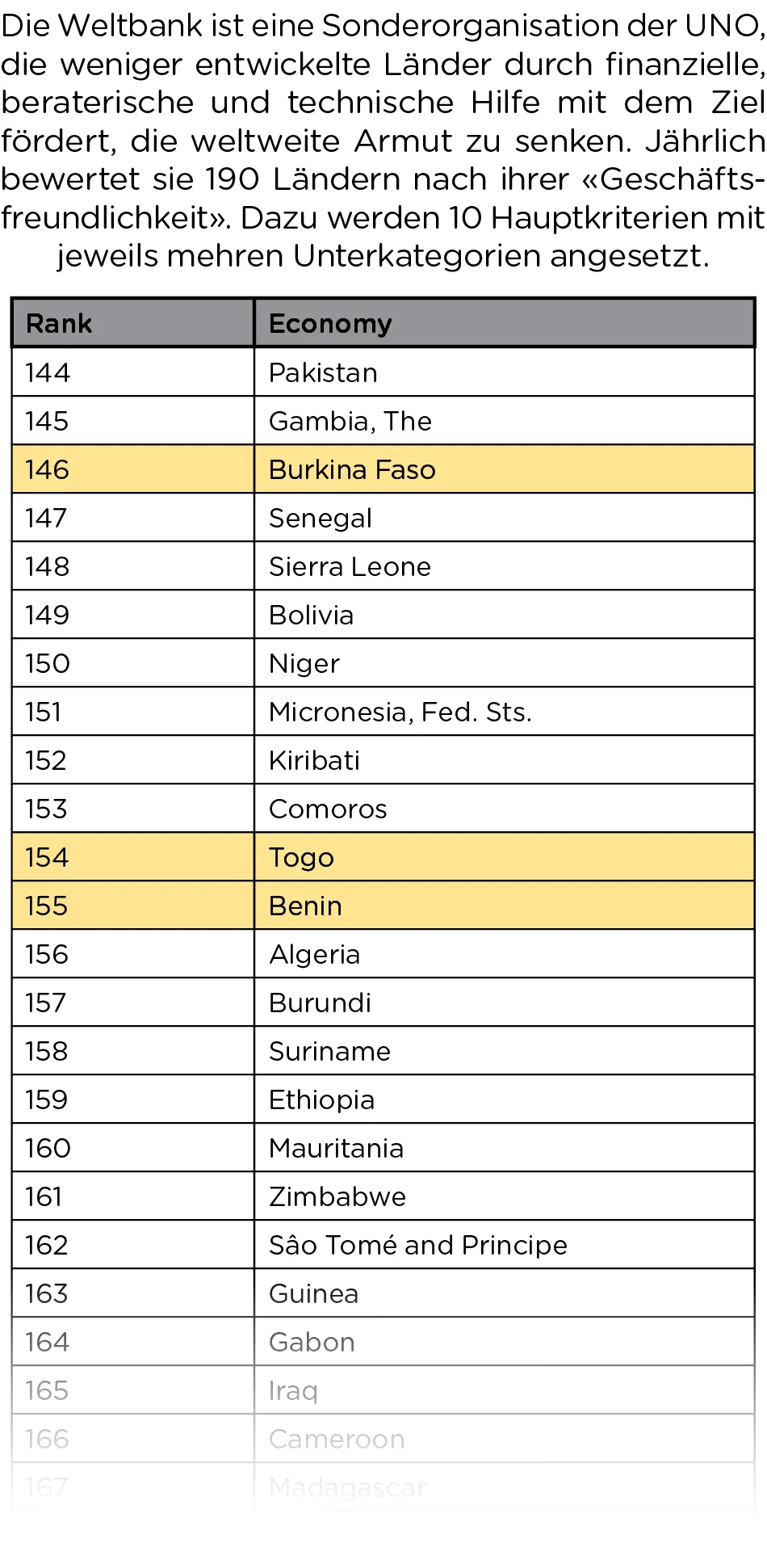
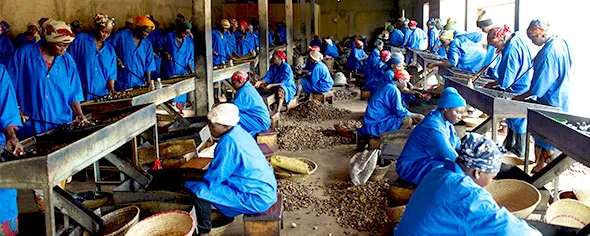
When we speak of the “difficult countries” in which we are active, we are mostly talking about our subsidiaries in West Africa. In 2006 we founded our subsidiary in Burkina Faso under the name “gebana Afrique”. 2015 saw the establishment of gebana Togo, and last year a subsidiary was also founded in Benin.
All three of these countries are among the poorest in the world. According to the World Bank, the proportion of the population in poverty in Burkina Faso is 40% (2014) on the basis of the country’s national poverty threshold, and in Togo the level is higher than 55% (2015). In Benin, the level was 36% in 2011. In all three countries, over 43% of the population earn less than 1.9 dollars a day (2011, PPP). In these countries, the economy is heavily dependent on the export of raw materials, as there is very little industry. The world market is supplied to a large extent with unprocessed raw materials such as agricultural products, ores and minerals as well as other natural resources, often at low prices. The processing and refinement of the products mostly takes place in industrial countries, and it is in those countries that the value creation takes place and profits are made.
“The customers in the north always want everything to be perfect and on time. They can’t understand that sometimes things can be at a standstill for three days because there is no internet connection. A lot of misunderstandings arise therefore, when it comes to international trade with” “difficult” countries. It is easy to accuse the people here of being inefficient, lax, forgetful or slow. But very often things happen that are outside our power to do anything about.”
Linda Dörig, Managing Director of gebana Afrique
“We need to offer good salaries and cast our net wide in order to find good staff. If we manage to appoint someone, then a long induction phase begins, during which we unfortunately often have to reckon with setbacks. At the end of the day, we have to maintain Western standards for certification - and this in regions where even the basic sanitary facilities are lacking, and where corruption is rife.”
Christophe Toitot, gebana COO
>> Hier geht's zum 2. Teil