 Login
Login

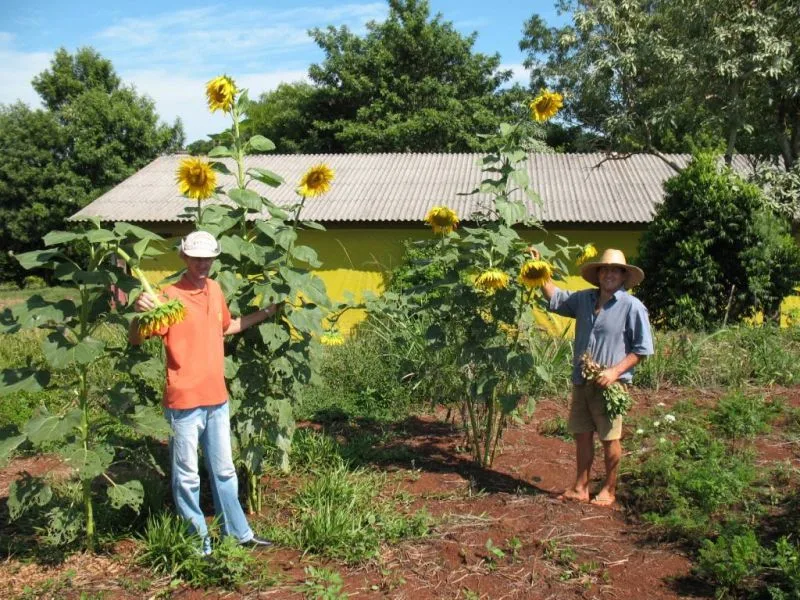
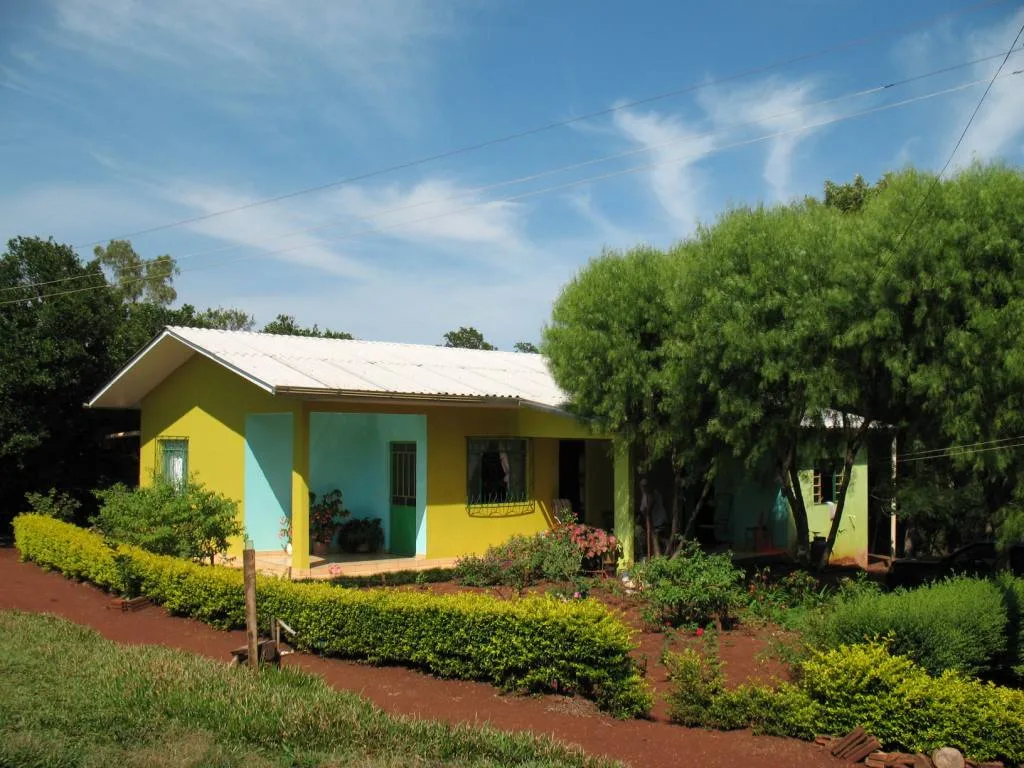
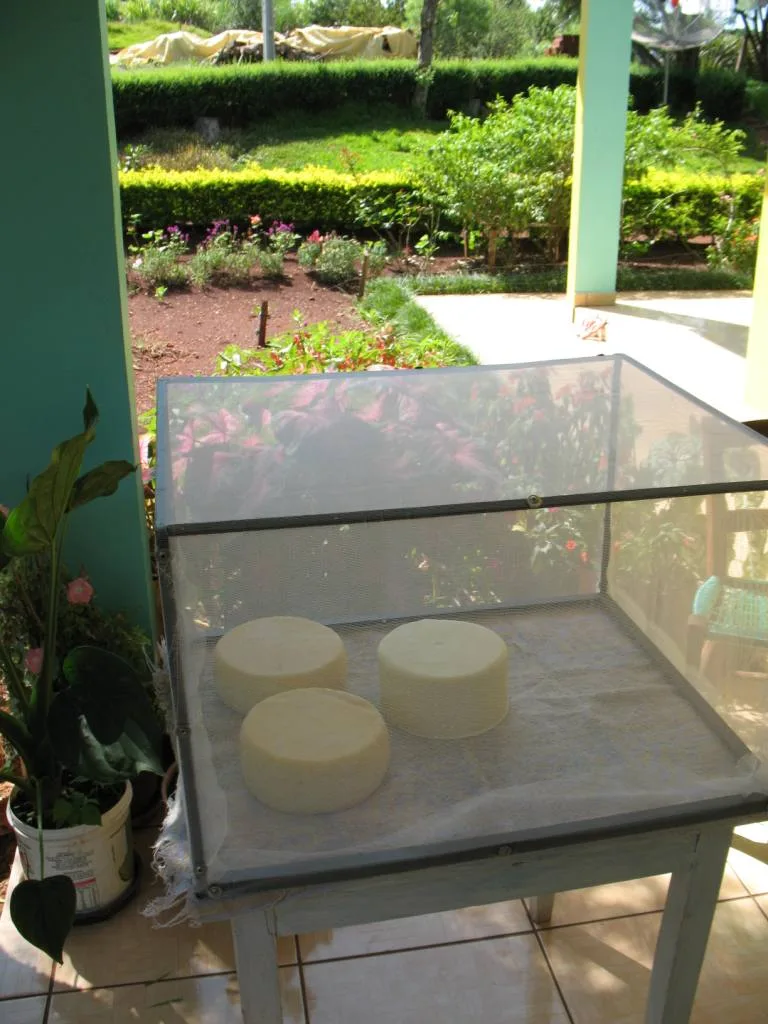
Osvaldo and his family live in a town 13 km away, but during the week he works in the countryside, where he now runs his parents' small farm alone. The mother still makes a little cheese, the father takes care of the livestock, but age is increasingly taking its toll on them, Osvaldo says.
Osvaldo Woicheowski is 37 years old and lives with his wife and his two daughters in Santa Izabel do Oeste in the southwest of Brazil. Ten years ago he decided to switch to organic farming and for several years has been producing soy, corn, beans and wheat for gebana Brasil. He is an active member of ASSESOAR, a Brazilian NGO that advocates for farmers' interests.
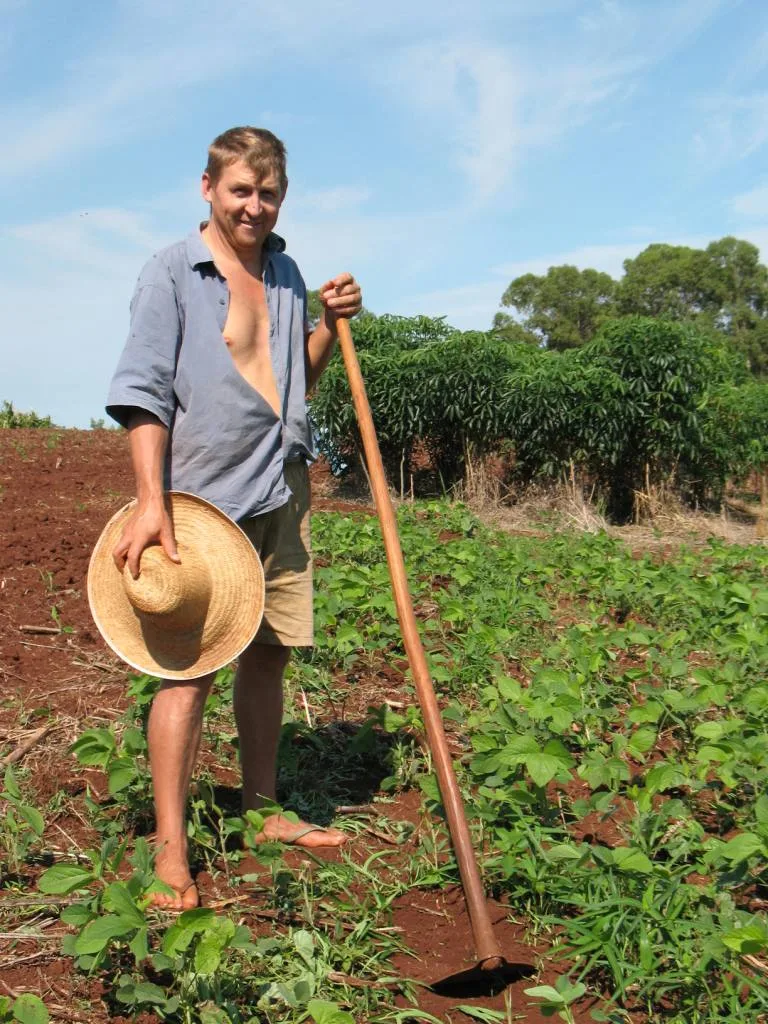
The heat on this day is not unusual for the season, but the dryness of the past weeks is. Climate change worries the organic farmer: „We have done so much violence to nature, now we all must ask ourselves where the causes of these dry spells lie and finally take responsibility.“
Due to the lack of rain, most farmers in the area have suffered crop losses. Osvaldo can still smile: „The situation is serious, but not all is lost and we are less affected than other families. Switching to organic farming was the right decision back then.“ With a serious expression, Osvaldo explains that those neighbors who grow conventional and genetically modified crops are forced to use pesticides that further dry out the soil and force farmers to apply even more of these agents. Osvaldo knows this „vicious circle“, as he calls it, and is glad to have left it behind: „Deciding to farm organically means more independence for us. We can decide what and how we grow, can plan independently — and we produce our own fertilizer! All in all, we are better off; economically and health-wise.“ He knows, however, that it is not easy for many farmers to produce organically, because conversion costs not only money but also time. He criticizes that the state still invests too little in organic agriculture and family farms. „If we as smallholders and organic farmers want to survive, we also need basic education in this area,“ he points out.
Asked how he sees the future in the countryside in view of the lack of rain in recent weeks, he says that he will move back here in the coming months: „The nearest town is only a few kilometers away and my daughters can hardly wait to live in the countryside again. Everything will be fine and it is supposed to rain again this week. Here we say, the rain never comes too late.“ And indeed: it has been raining again in southwestern Paraná for several days.