 Login
Login

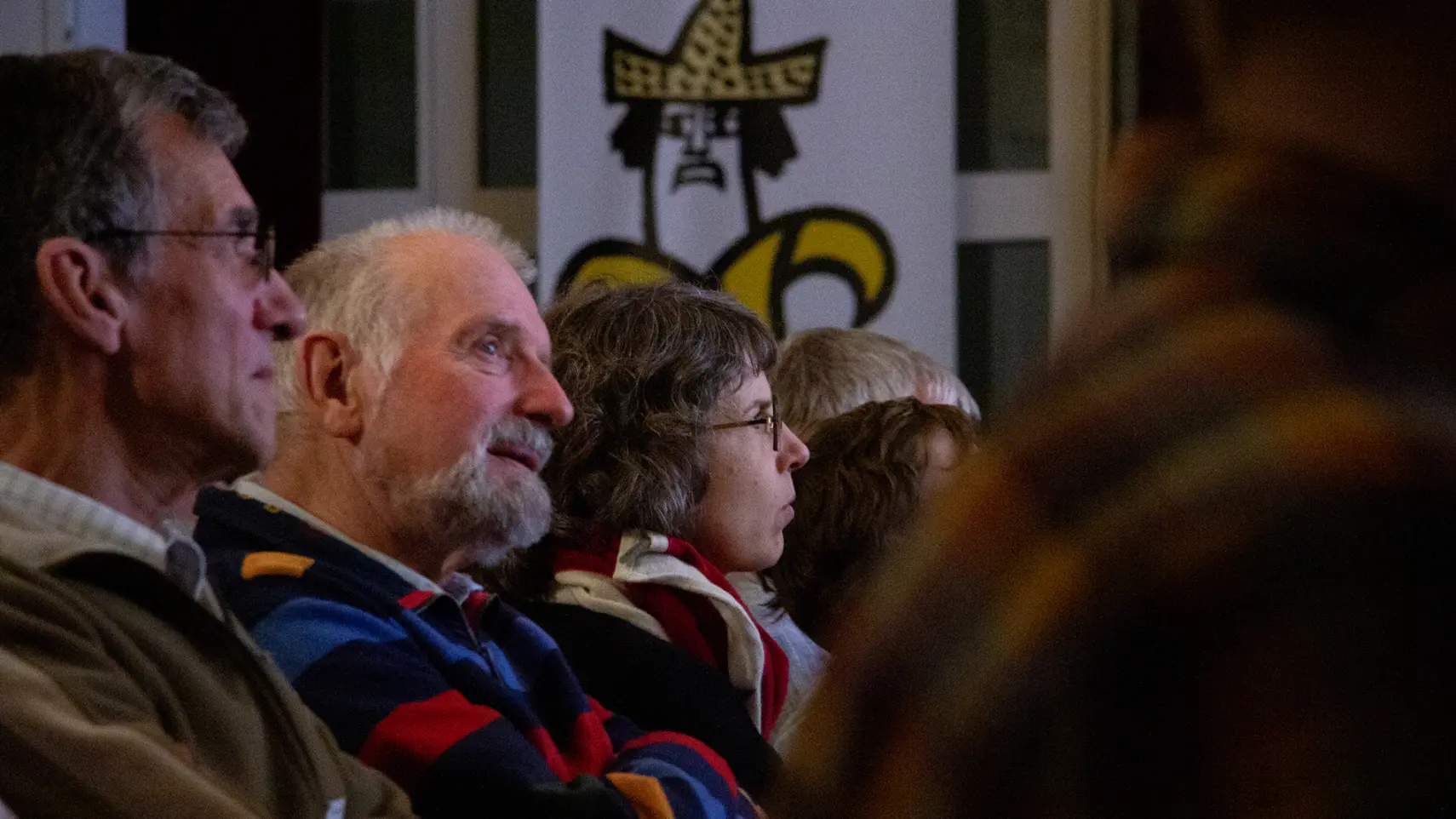
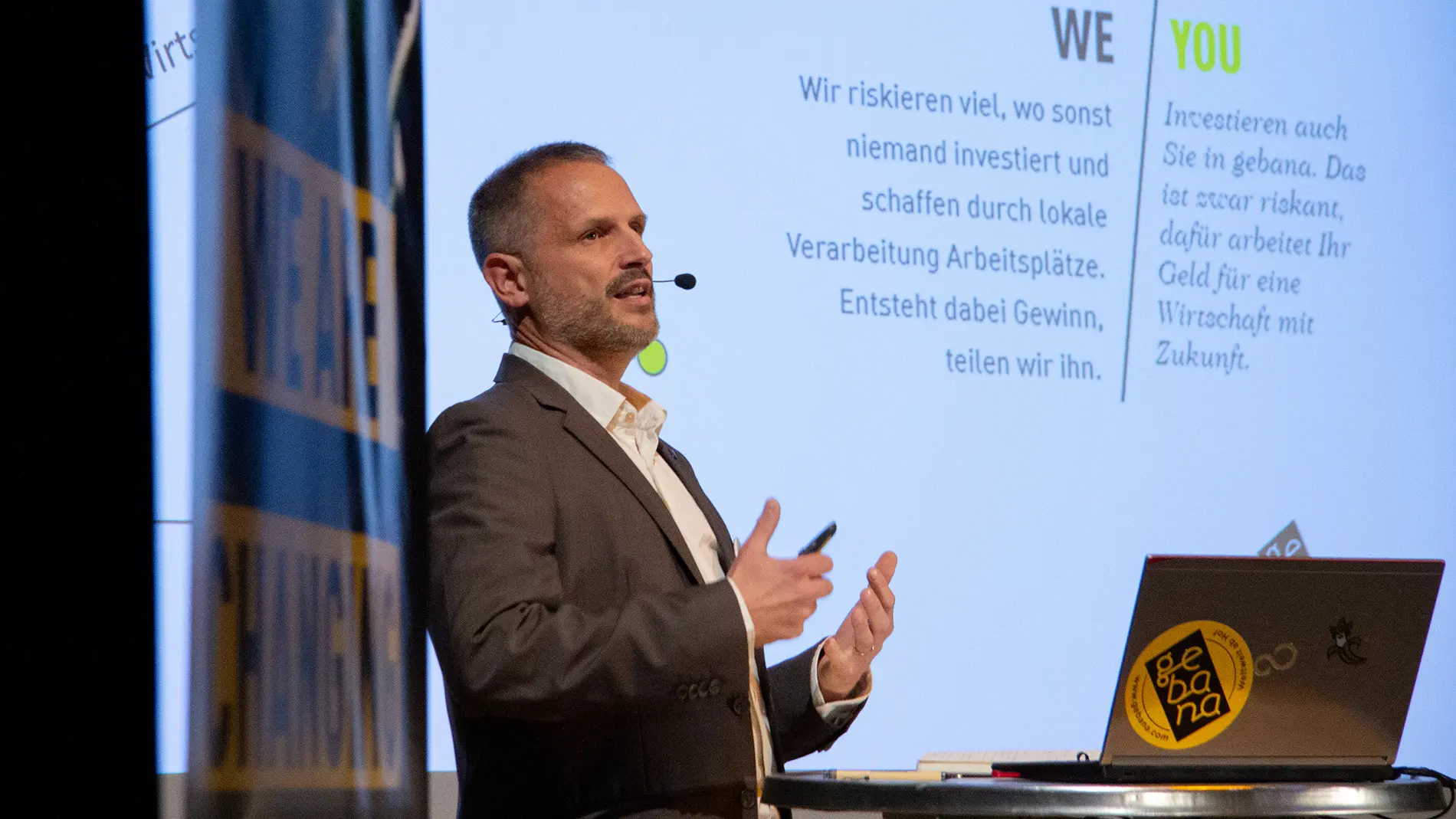
"We dethrone the customer as king," Wiedmer shouted on 22 November 2019 in the packed White Hall at the Volkshaus Zürich. Seconds later a murmur ran through the rows of gebana investors and customers.
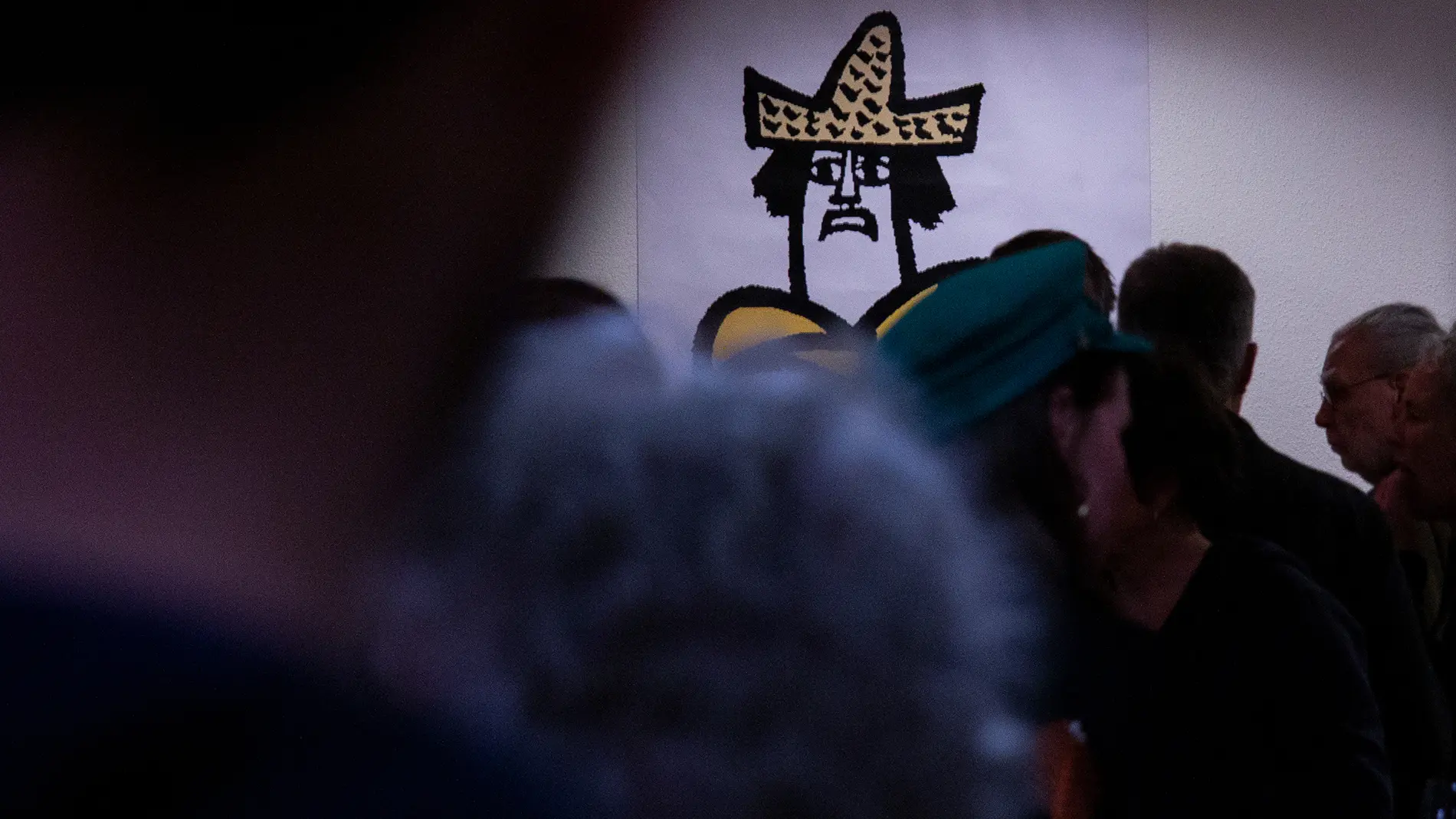
Adrian Wiedmer had projected a drawing of a guillotine onto the screen. Beside the execution device: the executioner and in his hand the head of the executed king. That is only a metaphor, Wiedmer reassured his guests with a grin on his face. Admittedly, a somewhat exaggerated, provocative metaphor. But he meant it seriously.
People and the environment are the losers in today’s trade system. A system that is only efficient with regard to costs. The blame for the negative consequences of this system is placed by the irresponsible enforcers on their king, the customer. Like a corrupt court they manipulate him and can often count on their king believing anything. As long as his life of luxury is not threatened, he looks away.
Our message is therefore: Together we change the rules of global trade. We have already spoken about this several times in recent weeks. The rules we change can be found here.
Using the example of Burkina Faso, we showed the assembled investors and customers in the public hall how we are putting our new rules into practice.
In Burkina Faso we are involving 2,553 farmers directly in our revenue for the first time this year. This means they receive, in addition to the price for the raw cashew kernels they supply (on average about 0.65 CHF per kilo), 10 percent of the sale price (so of 38 CHF per kilo).
As of November 22, we have paid out the equivalent of almost 80,000 CHF to 1,003 farmers. 671 of them received their share via mobile payment, the rest in cash. The remaining 1,550 farming families will be paid out by December 15, 2019.
The farming families receive an amount between 7 and 164 CHF. The decisive factor is the quantity of cashews supplied by an entire village. Within a village we pay all farming families the same amount.
We will expand this approach step by step to other countries.
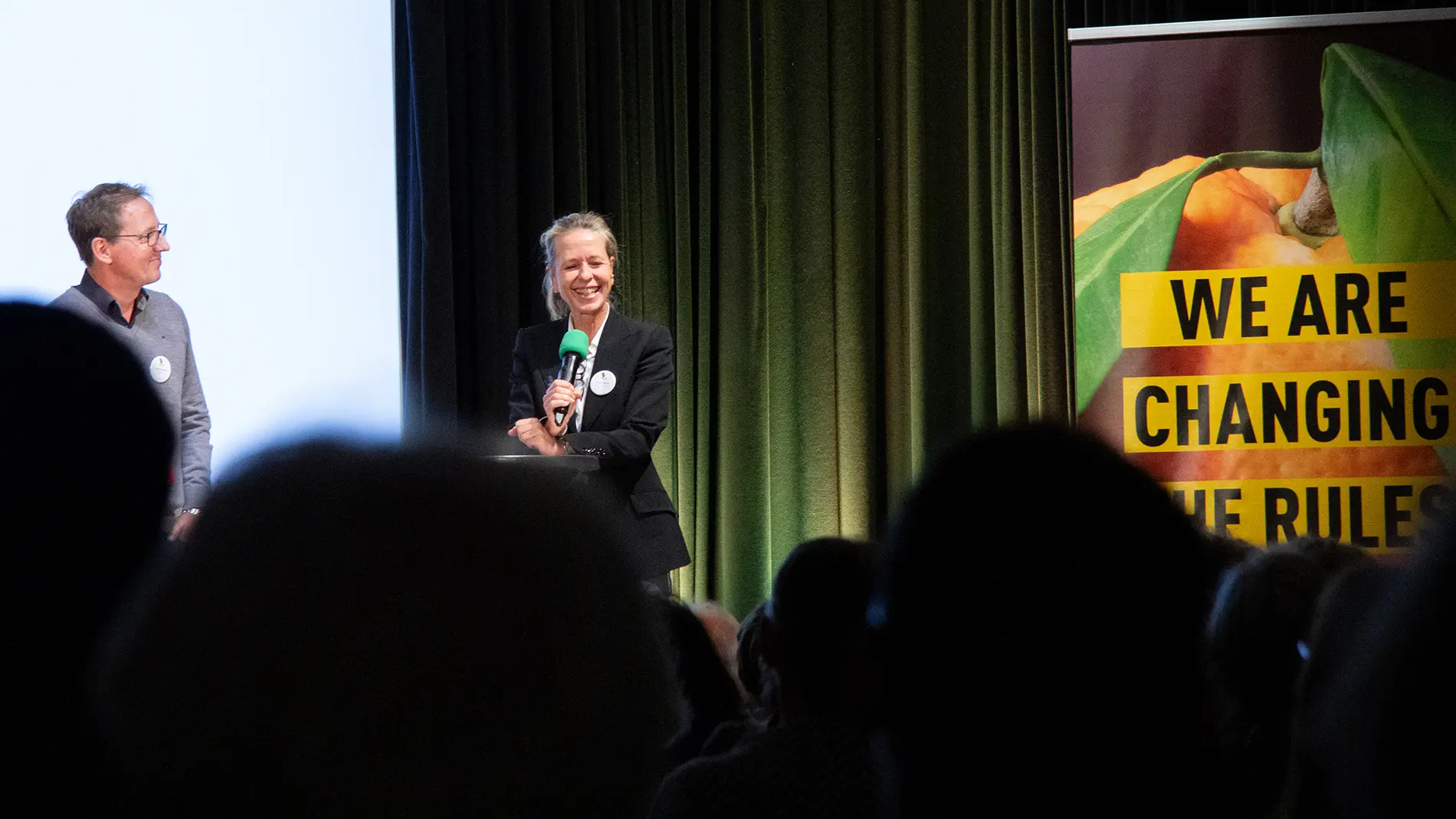
After Wiedmer's presentation in the public hall, there was a question-and-answer session in which Wiedmer, Communications Manager Sandra Dütschler and Elvira Zingg from the Development Team faced critical questions. The panel of questioners consisted of Frank Eyhorn, CEO of BioVision, Dominik Waser, climate activist and founder of grassrooted, and Carolin Schaar from gebana Berlin.
The trio provoked with questions like "What will you do if the farmers spread the word about how much you pay them? Don’t you risk them mixing in their neighbors’ conventional produce along with their organic fruits?"
The risk does indeed exist, conceded Elvira Zingg. "But through direct contact with the farming families and because the revenue share is the same for everyone at village level, we believe we can keep this risk small."
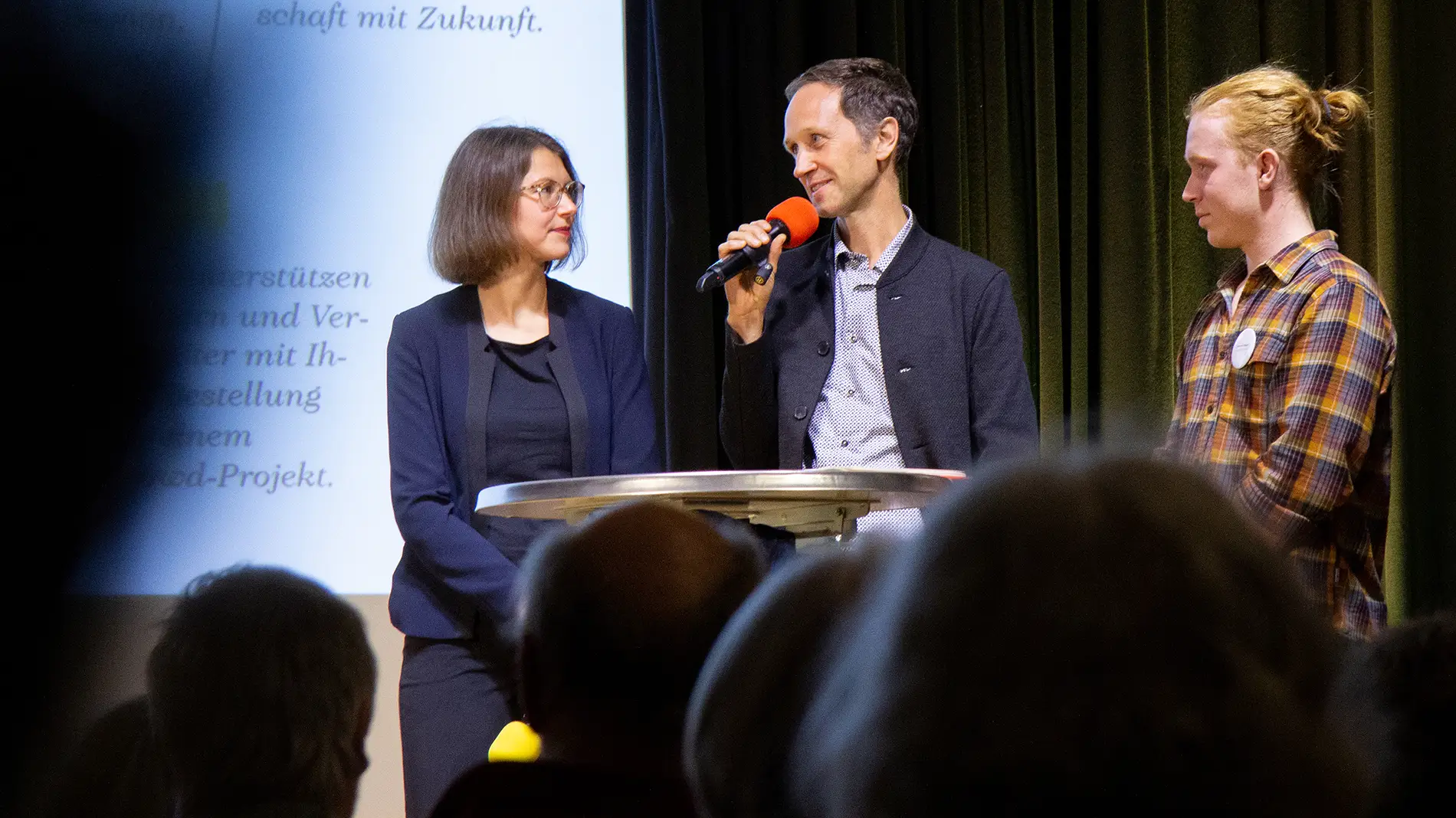
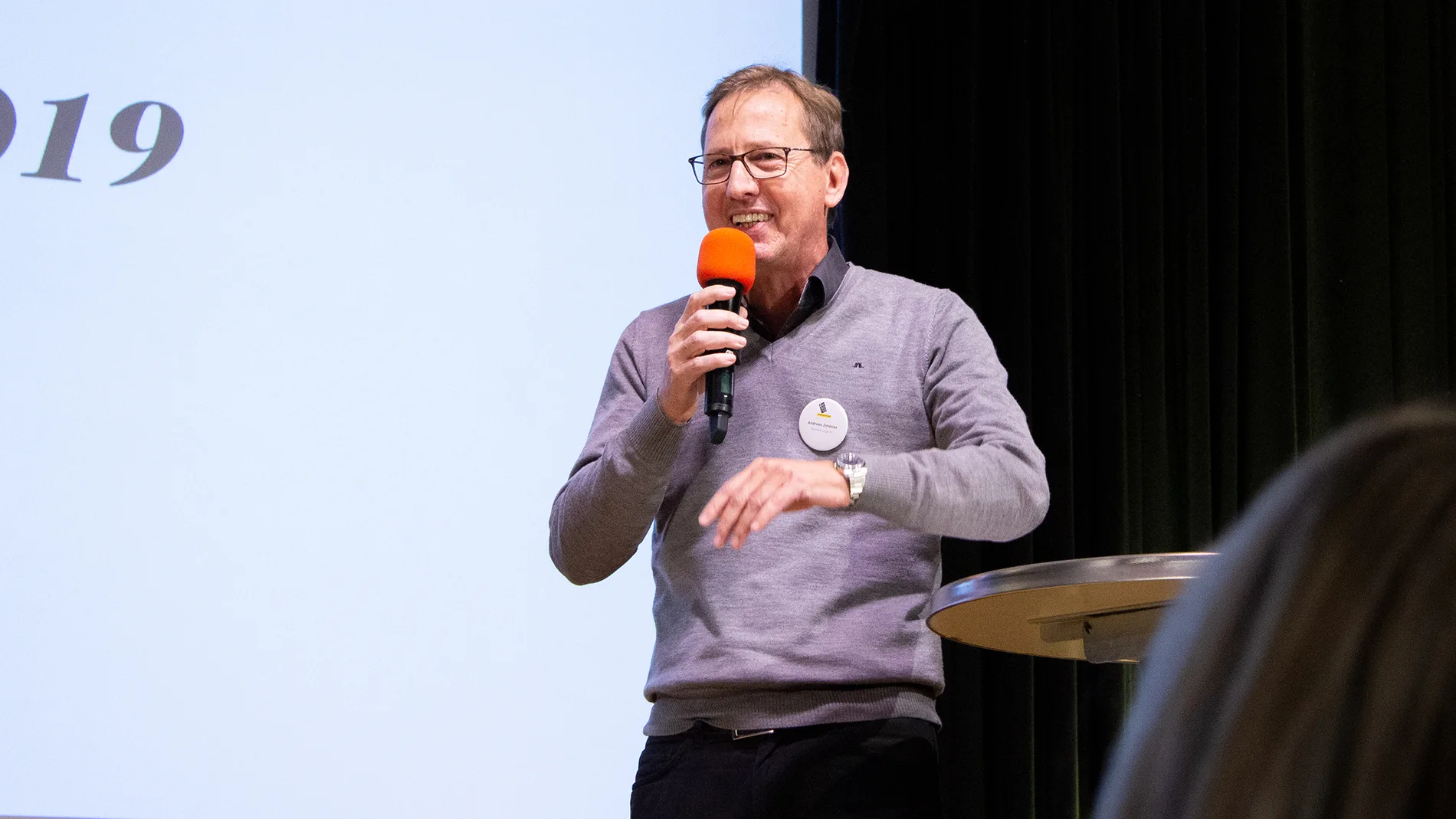
In the evening, Andreas Jiménez, the new president of the gebana board of directors, and Susanne Wittig, who is also a new member of our board, were introduced. With both of them we have found extremely competent personalities whose experience we will undoubtedly benefit from.
Andreas Jiménez was managing director of Max Havelaar Switzerland and Biopartner; Susanne Wittig has been involved for many years with Ashoka Switzerland and today runs her own consulting firm for companies that want to combine economic success with social impact.
There followed short presentations from the minds behind the Popular Initiative on Corporate Responsibility, from the founders of Nikin, who want to produce a sustainable and traceable T-shirt with us and the two companies Haelixa and Ecos, from a representative of BioVision who told about their spice project, and from Dominik Waser. He spoke about food waste, his association and the vegetable savers subscription.
All of them also had information booths set up in the hall at the Volkshaus, where our investors could get detailed information about the various projects.
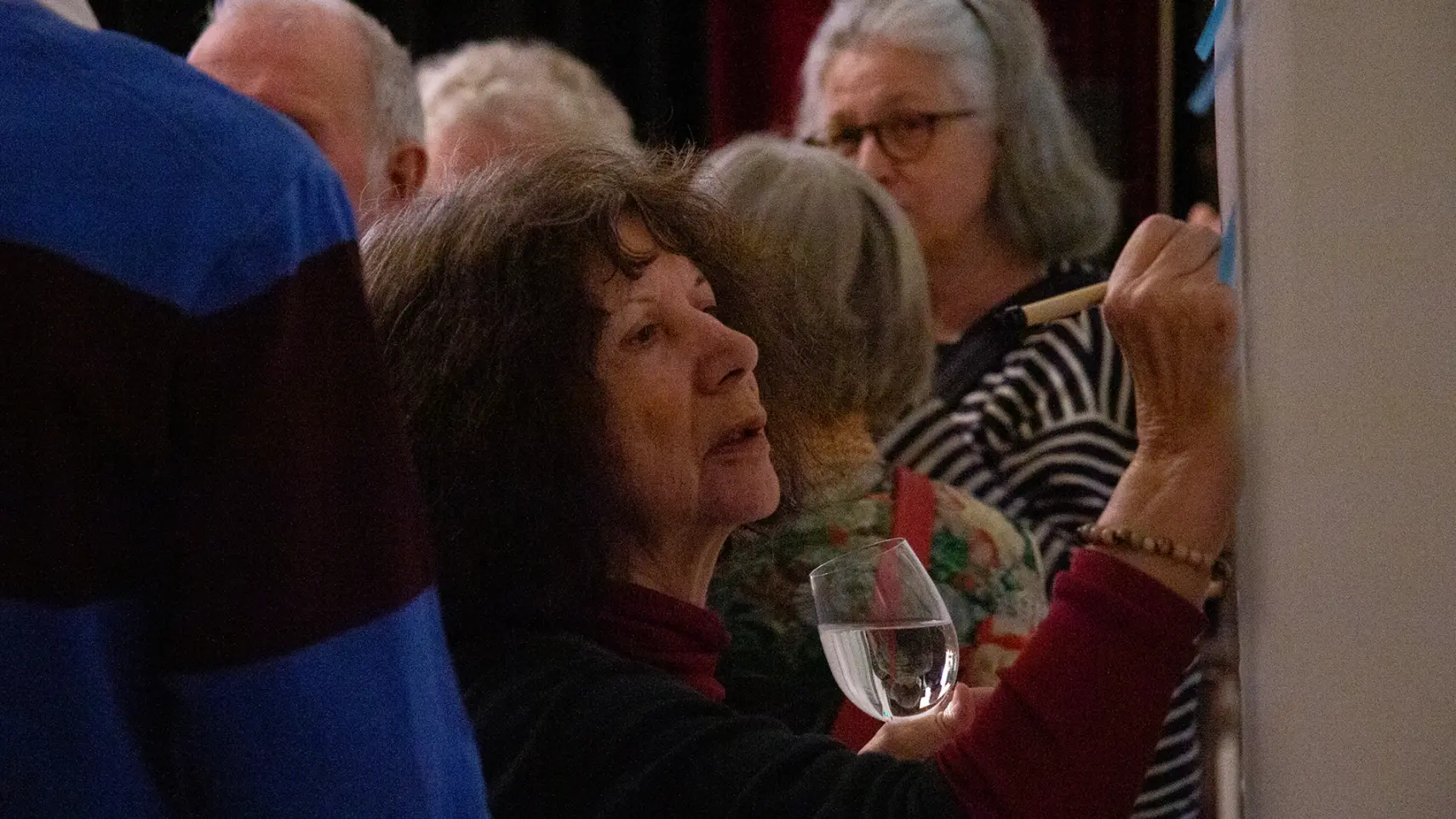
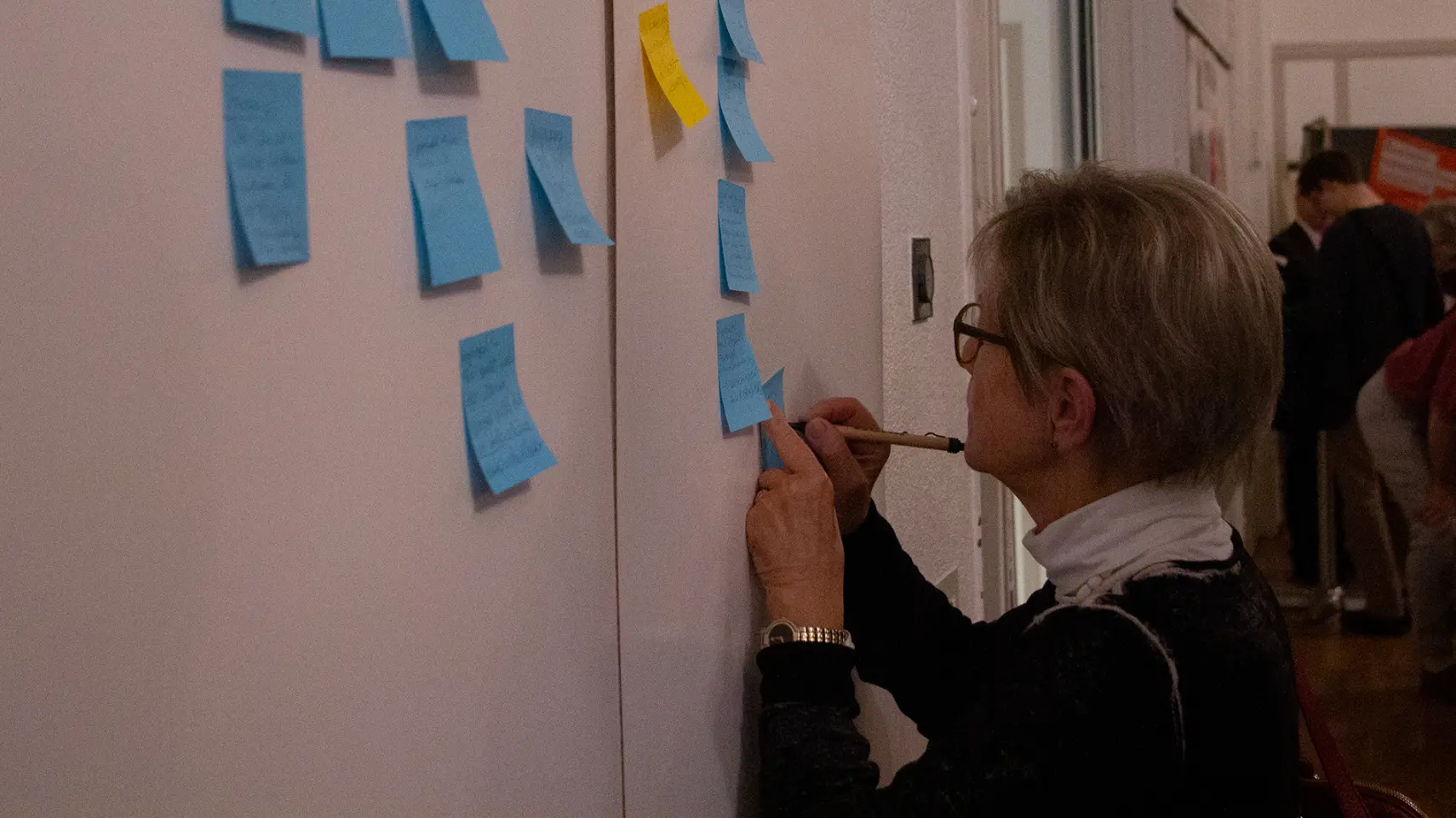
Following presentations, a question-and-answer session and the introduction of the new board of directors, the investors and clients were invited to participate themselves. At five whiteboards distributed around the hall, we asked them to share their thoughts and ideas for our five new rules with us.
We used the collected works the following Saturday in a workshop with activists from Switzerland, Austria and Germany. We use these workshops to engage on a content level with people who share our values and vision.
You can download the results below as a PDF.